


What Is a DEX?
A DEX (decentralized exchange) is a cryptocurrency exchange that operates via smart contracts on a blockchain, allowing users to trade tokens directly from their wallets without a central company holding
their funds or managing the order book.
Unlike centralized exchanges (CEXs) where the platform controls your assets, a DEX lets you remain in custody of your crypto at all times. Trades are executed on-chain, transparently and automatically.
How Does a DEX Work?
Most modern DEXs use an Automated Market Maker (AMM) model instead of traditional order books:
Liquidity providers deposit token pairs (e.g. ETH + USDC) into a smart contract called a liquidity pool.
The pool sets prices algorithmically based on the ratio of tokens in the pool.
When you swap, you trade against the pool — not against another human.
A small fee (typically 0.1%–0.3%) is taken from the swap and distributed to liquidity providers.
DEX vs CEX
| DEX | CEX | |
|---|---|---|
| Custody of funds | You (self-custody) | Exchange holds your funds |
| Account required | Wallet address only | Email, KYC verification |
| Trading counterparty | Liquidity pool (smart contract) | Exchange's order book |
| Downtime | None (blockchain runs 24/7) | Possible maintenance |
| Supported tokens | Any token with a liquidity pool | Only listed tokens |
| Transparency | Fully on-chain | Opaque |
| Regulatory risk | Low | High (can freeze accounts) |
| Risk of insolvency | None (you hold your keys) | High (FTX, Mt. Gox examples) |
Popular DEXs by Blockchain
| Blockchain | Leading DEX |
|---|---|
| Ethereum | Uniswap, Curve |
| BNB Chain | PancakeSwap |
| Solana | Jupiter, Raydium |
| Polygon | QuickSwap |
| Avalanche | Trader Joe |
| Arbitrum | Camelot, GMX |
DEX Risks
Slippage — large trades move the price, especially in low-liquidity pools
Impermanent loss — liquidity providers can lose value versus just holding tokens
Smart contract risk — bugs in the DEX contract can lead to fund loss
MEV (Maximal Extractable Value) — bots can front-run your transaction
DEXs and Trust Wallet
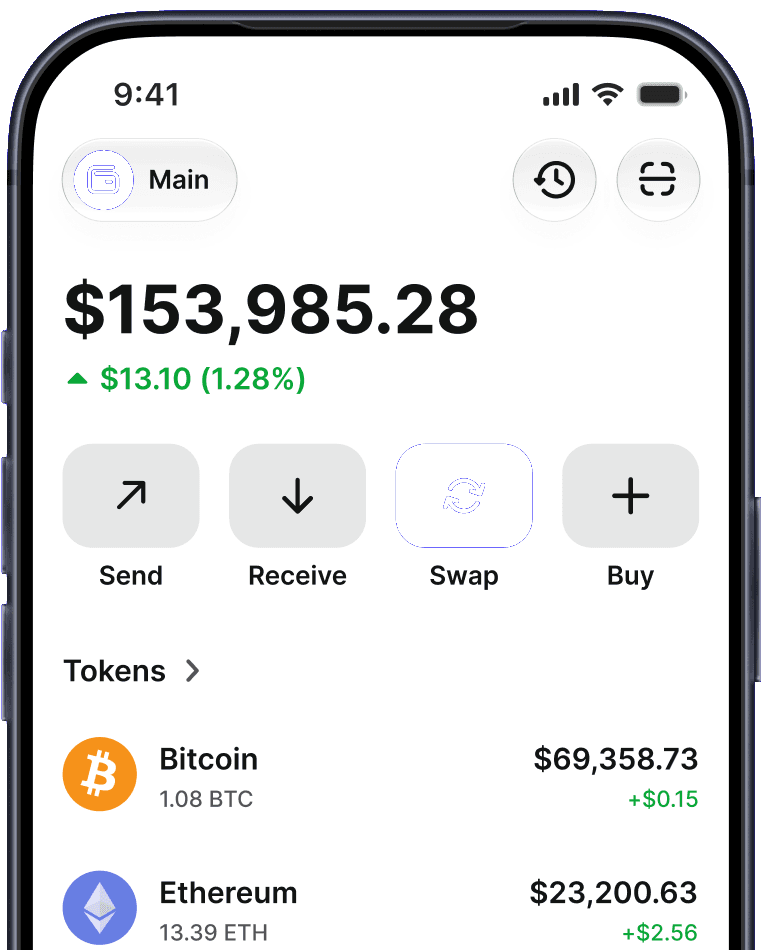
Trust Wallet's built-in swap feature aggregates rates from leading DEXs across all supported chains, finding the best price for your swap without you needing to visit each DEX individually. Swaps are
non-custodial — you sign the transaction from your wallet and funds go directly to your address. Trust Wallet also lets you access any DEX directly through the dApp browser.