


























 SOL
SOL1 SOL = 104.06 USD (US Dollar)
150 USD
≈ 1.44143111 SOL
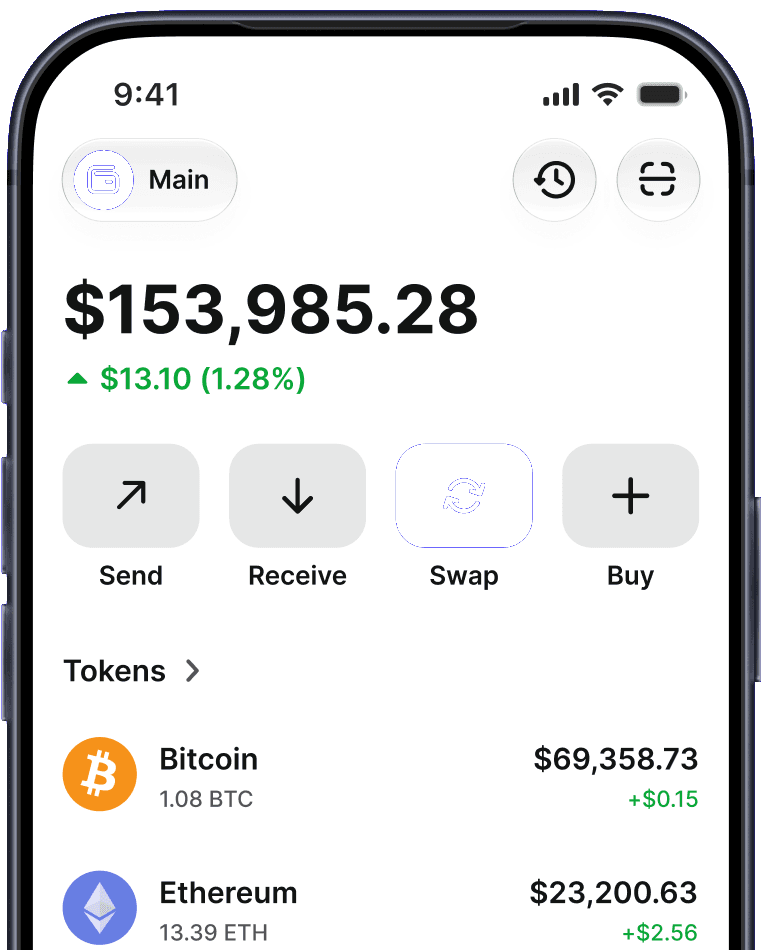
Swap 32M+ assets across 110+ chains directly in Trust Wallet—fast, secure, and effortless.
Solana conversion price today
Explore trending cryptocurrencies to USD conversions
Explore conversion pairs for top cryptocurrencies
Track the live Solana price, convert SOL to USD and other currencies, and buy Solana — all in self-custody inside Trust Wallet. Your keys, your crypto, across iOS, Android, and the browser extension.
Rated 4.7 on the App Store and 4.6 on Google Play, across 2.7M verified reviews – trusted by millions of users on iOS and Android.
The cryptocurrency converter is provided for informational purposes only. Conversion rates are based on real-time market data and may not reflect actual trading prices. Trust Wallet does not guarantee the accuracy of rates displayed. For complete terms and conditions, please review our Terms of Service and Privacy Policy.