



BLOG_PAGE.section-article.category.academy
Sending and Receiving Crypto: Trust Wallet Basics
Compartir publicación
En resumen
Learn how to send and receive crypto in Trust Wallet. Simple tips for transactions, address verification, and QR code safety for secure transfers.
Key Takeaways:
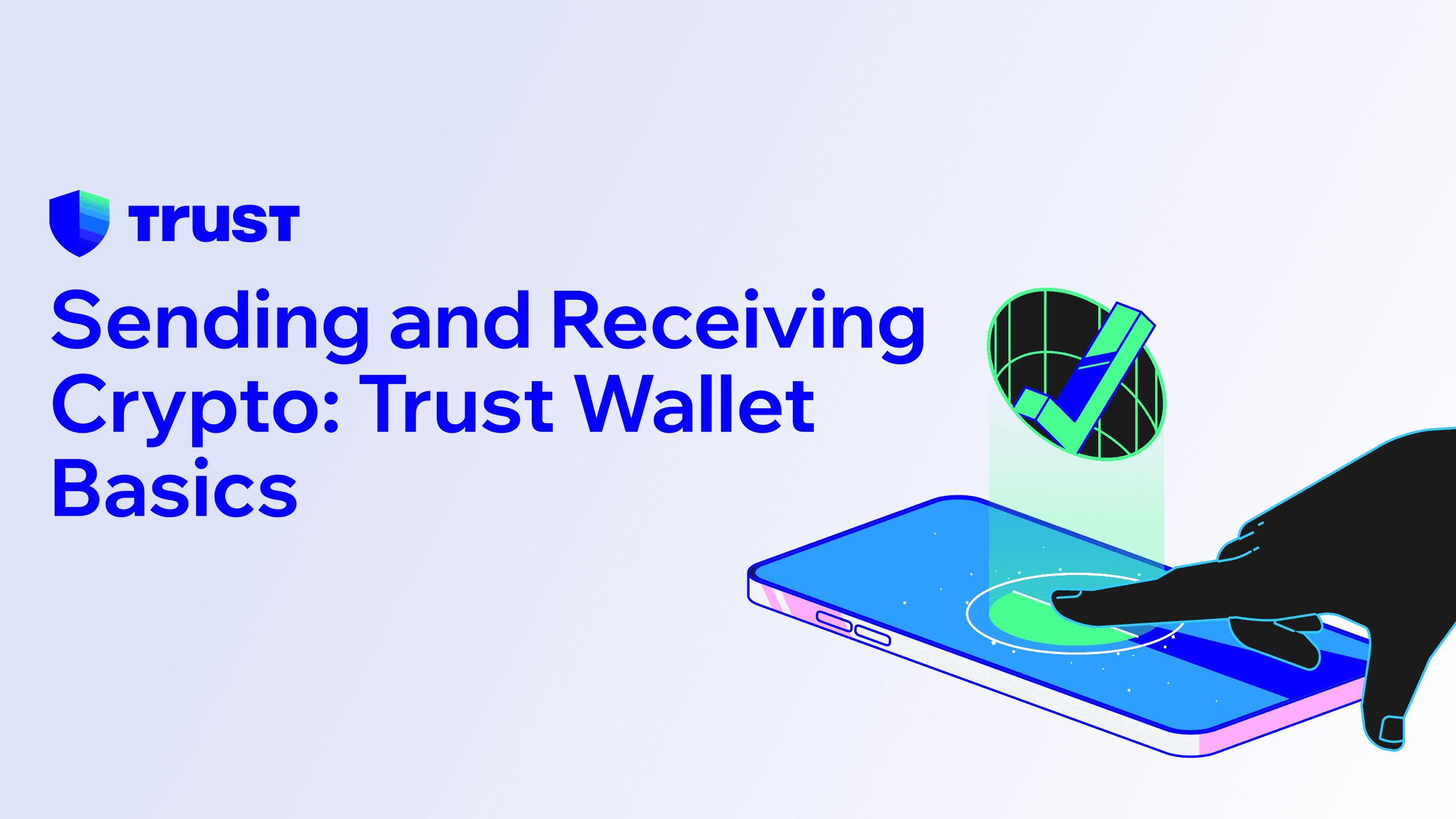
Trust Wallet makes sending and receiving various cryptocurrencies simple and secure across more than 100 blockchains.
Always double-check wallet addresses, coin type, amount, and network for accuracy before sending crypto.
Use QR codes in Trust Wallet for receiving assets to reduce mistakes and simplify sharing your wallet details.
Trust Wallet makes cryptocurrency transactions straightforward whether you're new to digital assets or transferring funds regularly. The wallet's intuitive interface handles both sending and receiving across more than 100 blockchain networks, eliminating the complexity that often intimidates first-time users. This guide covers everything you need to know about moving your cryptocurrency safely using Trust Wallet's core features, from understanding wallet addresses to using QR codes for error-free transactions.
Understanding Crypto Addresses
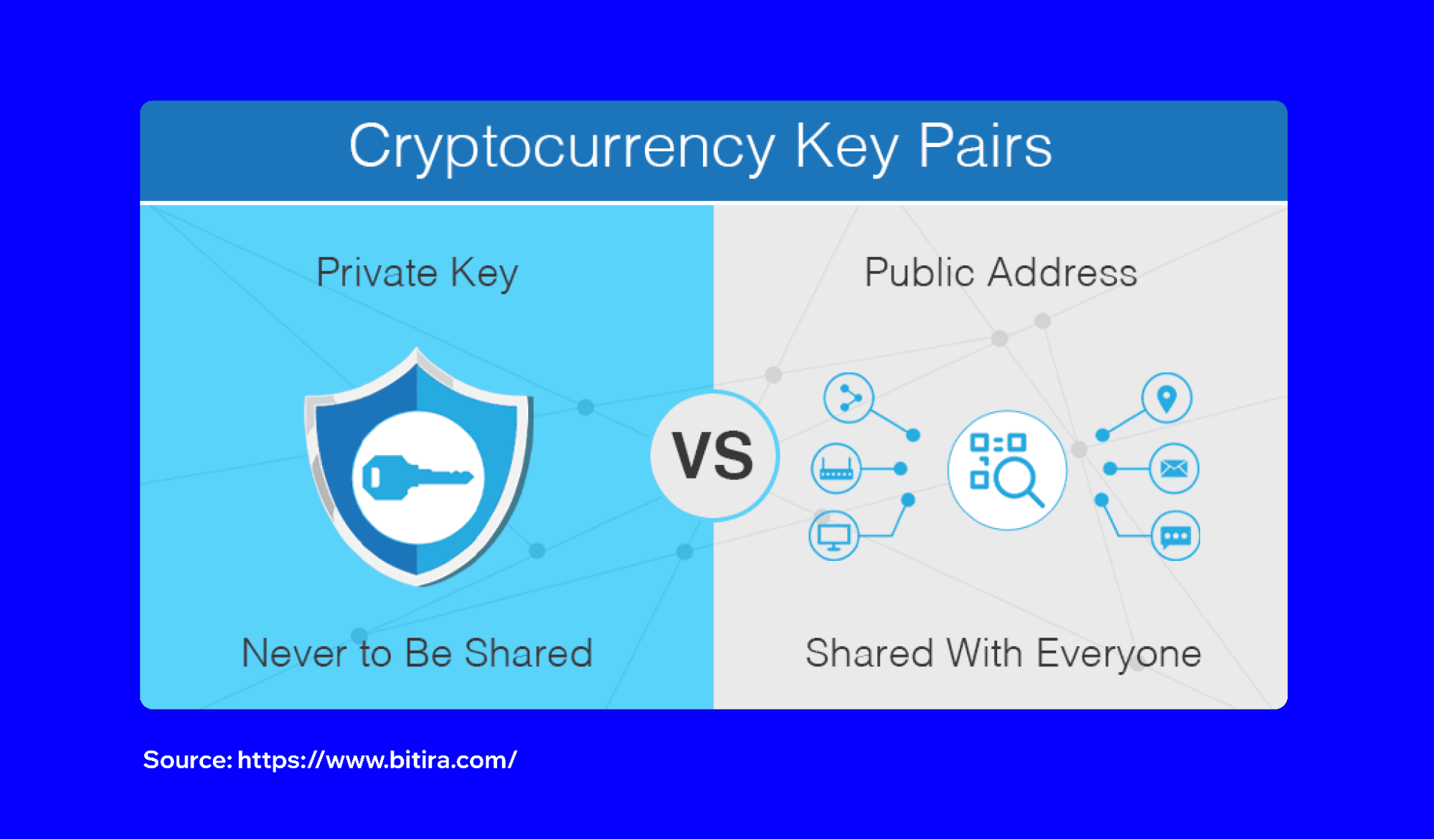
A cryptocurrency address is a unique alphanumeric string that identifies your wallet on the blockchain. It tells the network exactly where to send or receive funds. Crypto addresses are public information that you can safely share with anyone who needs to send you funds. The address itself cannot be used to access your wallet or steal your crypto. Accessing your crypto requires your private keys, which remain securely stored on your device when you use Trust Wallet.
Trust Wallet generates a different address for each type of cryptocurrency you want to receive. Your Bitcoin address differs from your Ethereum address, and both differ from your Solana address.
How to Send Cryptocurrency
Sending crypto from Trust Wallet requires careful attention to details to prevent irreversible mistakes. The process involves several verification steps that protect your funds from being sent to the wrong addresses or incompatible networks.
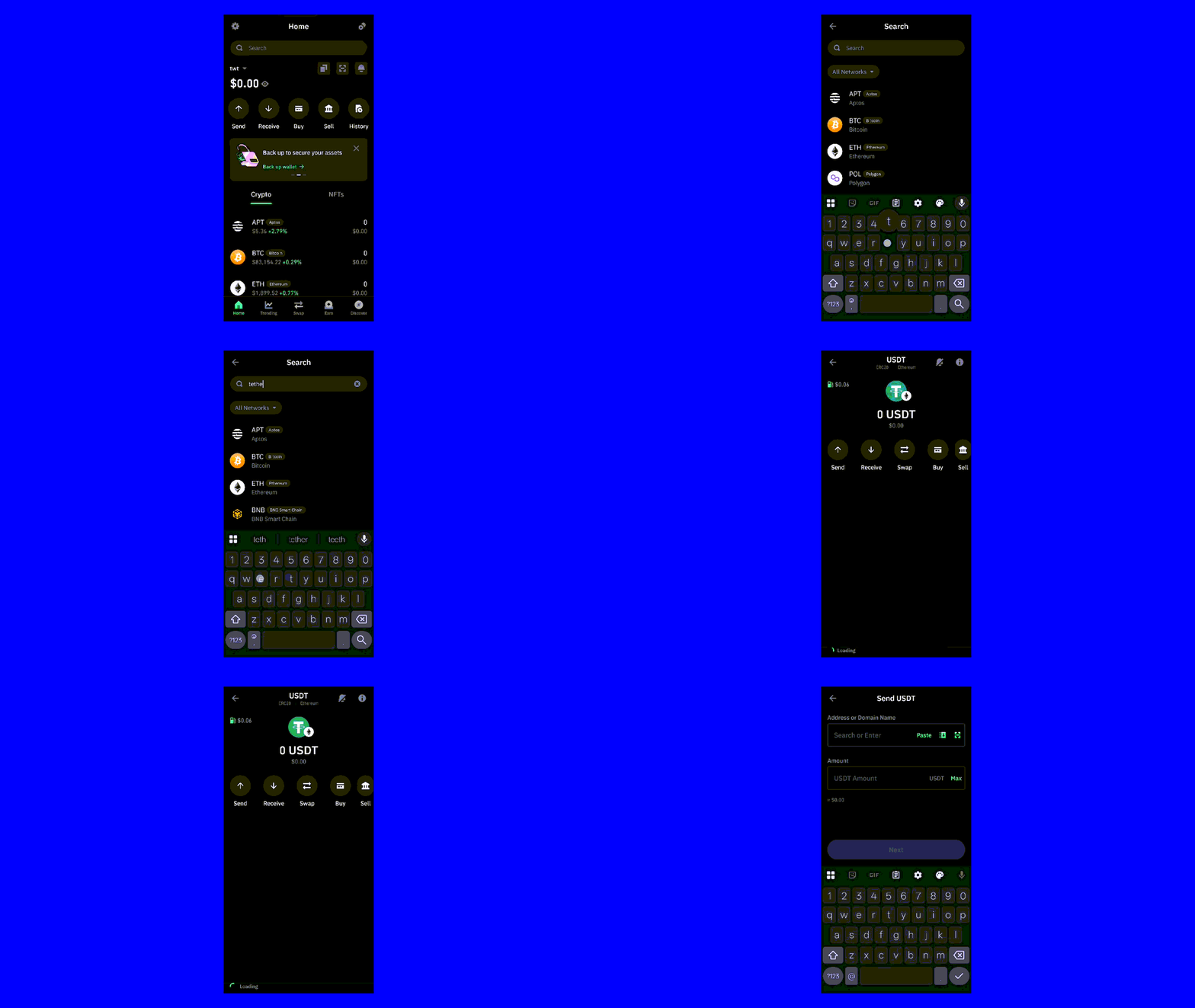
Start by opening Trust Wallet and selecting the cryptocurrency you want to send from your main wallet screen. Tap the "Send" button, which opens the transaction interface where you'll enter the recipient's details.
Enter the recipient's wallet address in the designated field. You can either paste a copied address or scan a QR code if the recipient provides one. QR codes eliminate typing errors and are the safest method for address entry.
Review all transaction details carefully before proceeding. Check the recipient address, amount, and selected network to ensure everything matches your intentions. Pay close attention to network selection. Sending crypto on the wrong network can cause permanent loss of funds.
Important Safety Tips For Sending Crypto
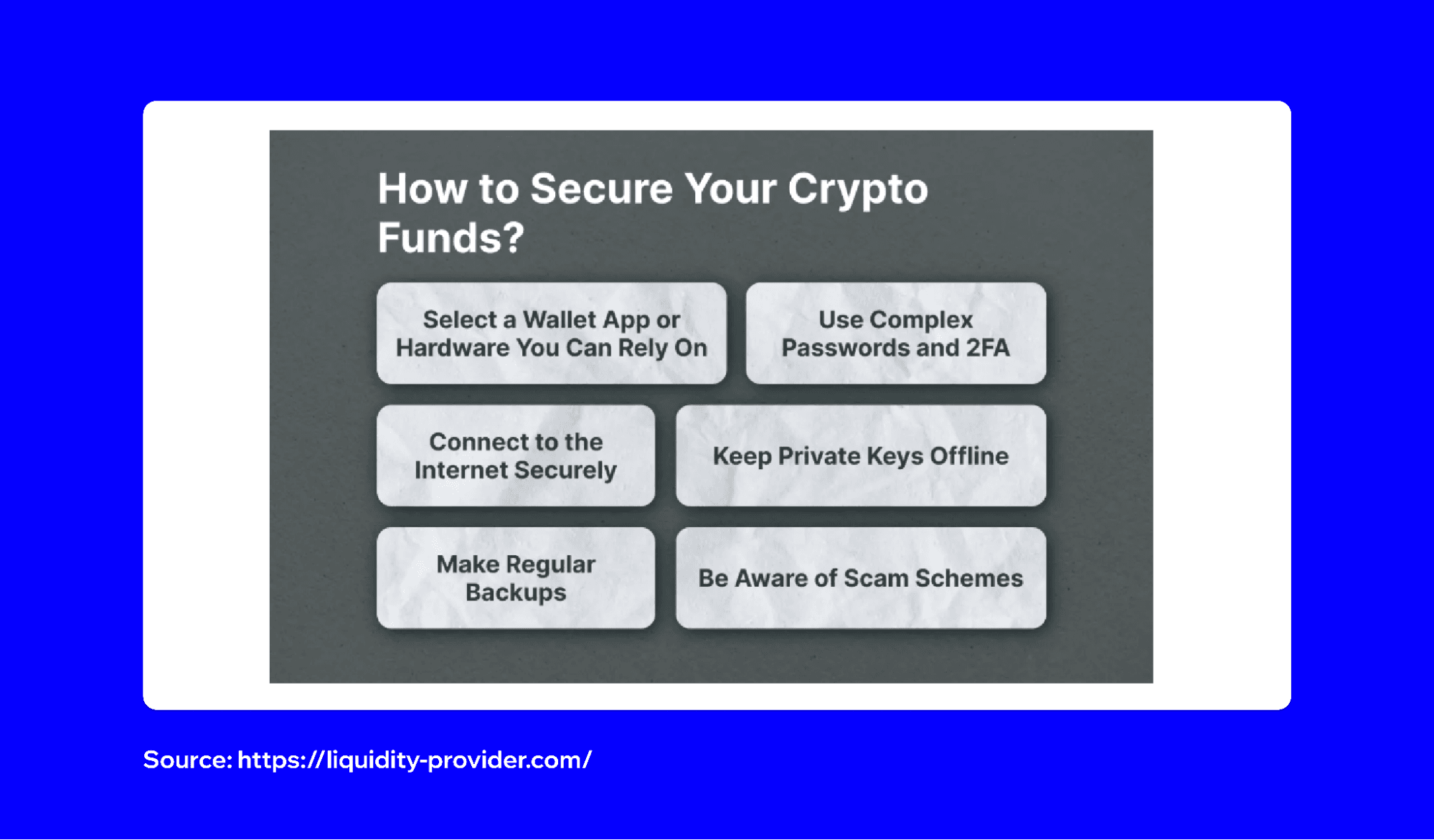
Always verify the recipient address character by character, especially when typing manually. Make sure you haven’t confused the number "0" and letter "O" or the number "1" and letter "l". A single character error sends your funds to a completely different wallet that you cannot access.
Be aware of address poisoning scams where fraudsters send small amounts to your wallet, placing similar-looking addresses in your transaction history. Always copy addresses directly from trusted sources, not transaction history. Use Trust Wallet's address book feature to store frequently used addresses after verifying them thoroughly.
Transaction fees vary based on network congestion and the blockchain you're using. Review the fee amount before confirming. During busy periods, fees can exceed the value of small transactions. Trust Wallet displays the estimated fee before you confirm the transaction.
Receiving Cryptocurrency with Trust Wallet
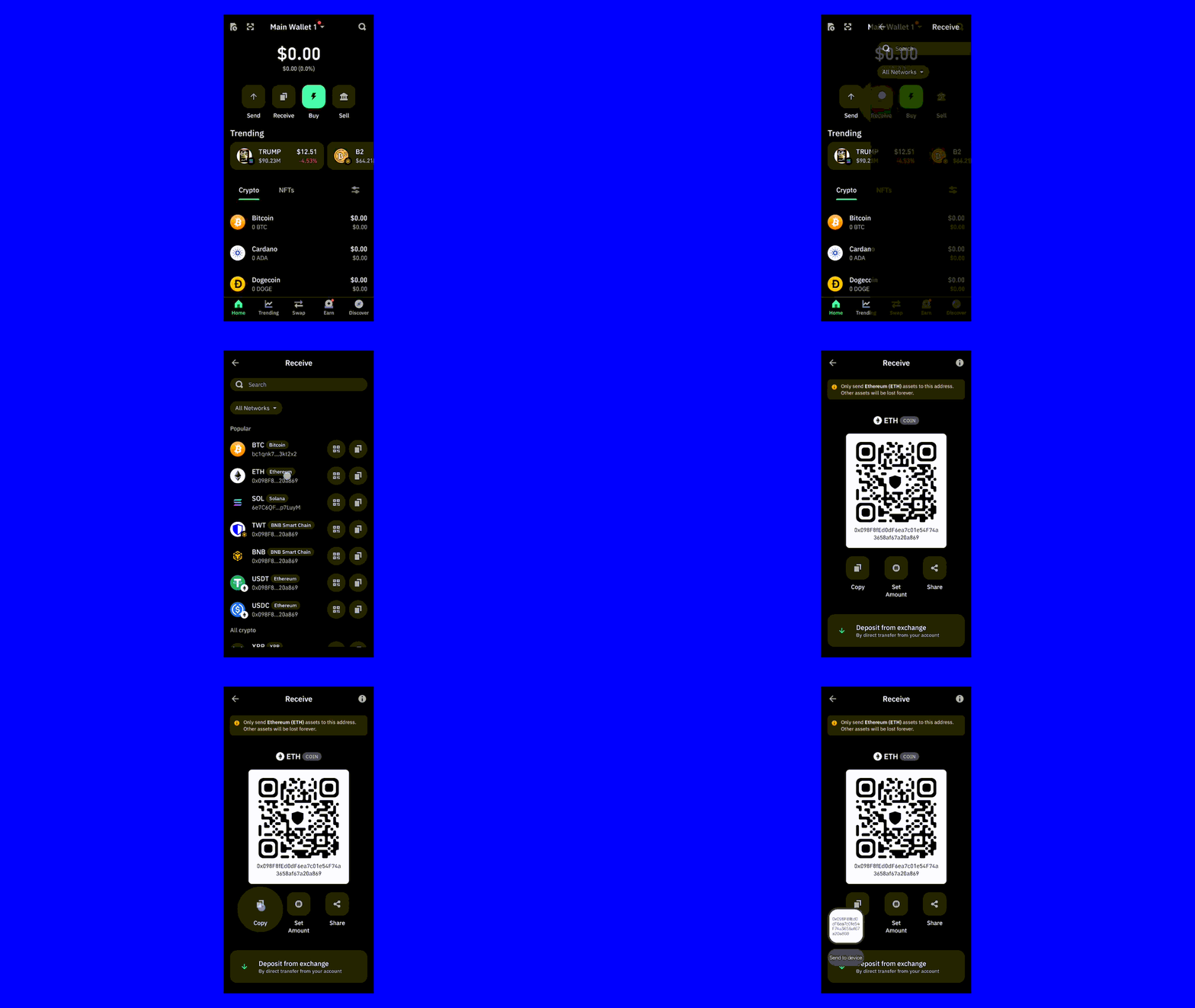
To receive any cryptocurrency, open Trust Wallet and select the specific asset you want to receive from your main wallet screen. Tap "Receive" to access your wallet address for that particular cryptocurrency. Trust Wallet displays your address as both a text string and a QR code.
QR codes are the most secure method for sharing your wallet address. The recipient can scan your QR code using their wallet's built-in scanner.
You can share your QR code by showing your screen to someone nearby, sending a screenshot through messaging apps, or saving the image to share later. The QR code contains only your public wallet address. It cannot be used to access your funds or compromise your wallet security.
For remote transactions, copy your wallet address using the "Copy" button in Trust Wallet and paste it into messaging apps, emails, or other communication methods. Always double-check that the full address copied correctly before sharing it with others.
Trust Wallet also supports ENS (Ethereum Name Service) addresses for Ethereum transactions, allowing you to receive funds using human-readable names instead of complex alphanumeric addresses. This feature works like domain names for websites, making Ethereum transactions more user-friendly.
The "Deposit from Exchange" feature streamlines transfers from major exchanges like Binance and Coinbase. This method connects your exchange account directly to Trust Wallet, reducing the manual steps required for large or frequent transfers from centralized platforms.
Smooth and Secure Transfers
With Trust Wallet, sending and receiving crypto is both straightforward and secure. Trust Wallet’s user-friendly design, clear transaction steps, and built-in safety checks let you manage your digital assets confidently. As you become more familiar with moving funds, you’ll find that Trust Wallet offers the reliability and peace of mind needed for everyday crypto transactions, whether you’re making your very first transfer or managing multiple assets on the go.
Download Trust Wallet Disclaimer: Content is for informational purposes and not investment advice. Web3 and crypto come with risk. Please do your own research with respect to interacting with any Web3 applications or crypto assets. View our terms of service. Join the Trust Wallet community on Telegram. Follow us on X (formerly Twitter), Instagram, Facebook, Reddit, Warpcast, and Tiktok
Note: Any cited numbers, figures, or illustrations are reported at the time of writing, and are subject to change.