


What Is an Airdrop?
A crypto airdrop is the distribution of free tokens or coins directly to users' wallet addresses. Projects use airdrops to bootstrap a community, reward early supporters, decentralize token ownership, and generate awareness for a new network, protocol, or token launch.
Airdrops became one of the defining mechanics of Web3 — large token distributions to early users of protocols like Uniswap, Arbitrum, and many others have rewarded participants simply for having used the product before a token existed.
How Does an Airdrop Work?
A project decides to distribute tokens to a target group of wallet addresses.
It defines eligibility criteria — for example, past usage of the protocol, holding a specific NFT or token, or completing certain on-chain actions before a snapshot date.
A snapshot of the blockchain is taken at a specific block height to record which addresses qualify.
Eligible users either receive tokens automatically in their wallet, or claim them by signing a transaction on a claim page.
The tokens appear in the recipient's self-custody wallet, where they can be held, traded, or used in the protocol.
Types of Airdrops
| Type | How You Qualify | Example Use |
|---|---|---|
| Standard airdrop | Hold a specific token or sign up | Broad awareness campaigns |
| Retroactive airdrop | Past usage of a protocol before a snapshot | Rewarding early adopters |
| Holder airdrop | Hold a token/NFT at snapshot time | Rewarding loyal holders |
| Bounty airdrop | Complete tasks (social, referral) | Marketing-driven growth |
| Exclusive airdrop | Curated wallet list | Power users, governance |
Why Do Projects Use Airdrops?
Decentralize ownership — distribute tokens to a wide base of users instead of a few insiders.
Reward early adopters — give value back to people who used the product before it had a token.
Drive adoption — incentivize users to try a wallet, protocol, or chain.
Bootstrap governance — put governance tokens in the hands of an active community.
Airdrop Safety: Avoiding Scams
Airdrops are also a common vector for scams. Stay safe:
Never share your secret phrase or private keys to "claim" an airdrop — no legitimate airdrop ever requires this.
Be cautious with unsolicited tokens that appear in your wallet; some are "dust" or scam tokens linking to malicious sites.
Verify claim pages through official project channels, not links in DMs or comments.
Avoid signing transactions you don't understand — malicious approvals can drain a wallet.
Airdrops and Trust Wallet
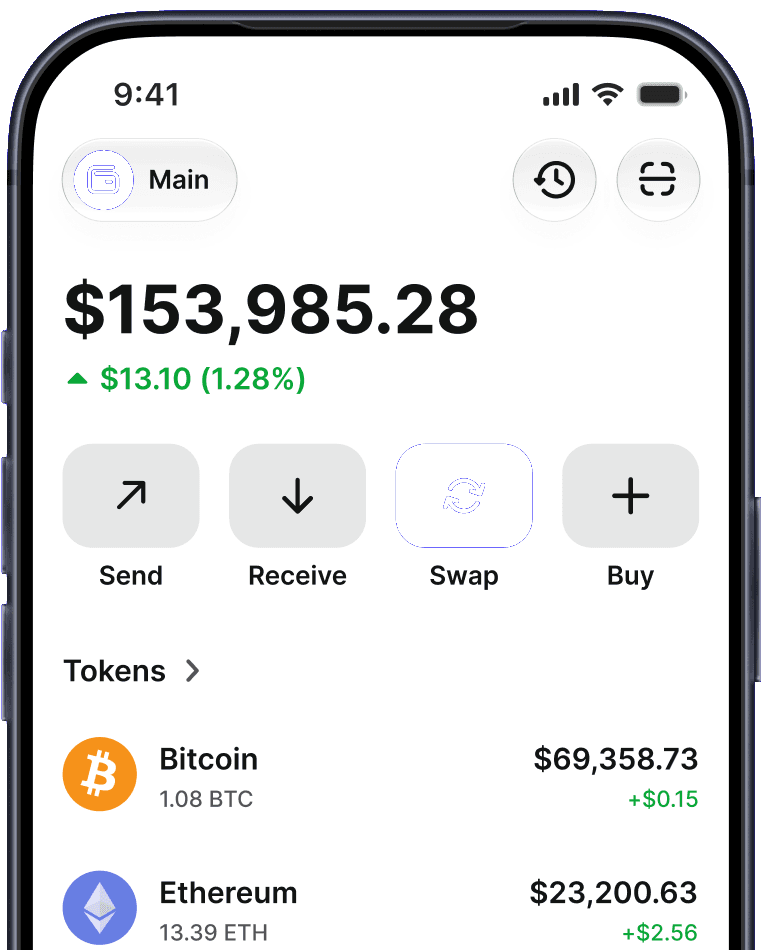
Trust Wallet is a non-custodial wallet, so any tokens airdropped to your address are fully under your control — only you hold the private keys. You can view incoming tokens across 100+ blockchains, hide spam or scam tokens, and manage real airdropped assets alongside your existing portfolio. Because Trust Wallet never asks for your secret phrase, you can interact with the ecosystem while keeping full custody of your funds.