


What Is a Layer 1?
A Layer 1 (L1) is a base-layer blockchain — the foundational network that processes, validates, and finalizes transactions using its own consensus mechanism. Bitcoin, Ethereum, Solana, and BNB Chain are all Layer 1 blockchains. The "Layer 1" label distinguishes these base networks from the Layer 2 (L2) scaling solutions built on top of them.
A Layer 1 provides the core security and settlement guarantees of its ecosystem. Everything else — Layer 2s, bridges, dApps — ultimately depends on the L1 underneath.
What Does a Layer 1 Handle?
Consensus — agreeing on the valid state of the ledger (Proof of Work, Proof of Stake, etc.).
Settlement — finalizing transactions so they're permanent.
Security — protecting the network against attacks.
Data availability — storing the canonical record of transactions.
The Blockchain Trilemma
Layer 1s constantly balance three goals — security, decentralization, and scalability — known as the blockchain trilemma. Improving one often comes at the expense of another. For example, Bitcoin and Ethereum prioritize security and decentralization, which limits raw throughput; this is a key reason Layer 2 scaling solutions exist.
Layer 1 vs Layer 2
| Feature | Layer 1 | Layer 2 |
|---|---|---|
| Role | Base settlement & security | Scaling on top of L1 |
| Examples | Bitcoin, Ethereum, Solana | Arbitrum, Optimism, Base |
| Speed | Slower | Faster |
| Fees | Higher | Lower |
| Security source | Its own consensus | Inherited from L1 |
How Do Layer 1s Scale?
Layer 1s pursue scalability in several ways: upgrading consensus (e.g. Ethereum's move to Proof of Stake), sharding (splitting the network into parallel pieces), increasing capacity, or — most commonly today — offloading activity to Layer 2 networks while keeping settlement on the L1.
Layer 1s and Trust Wallet
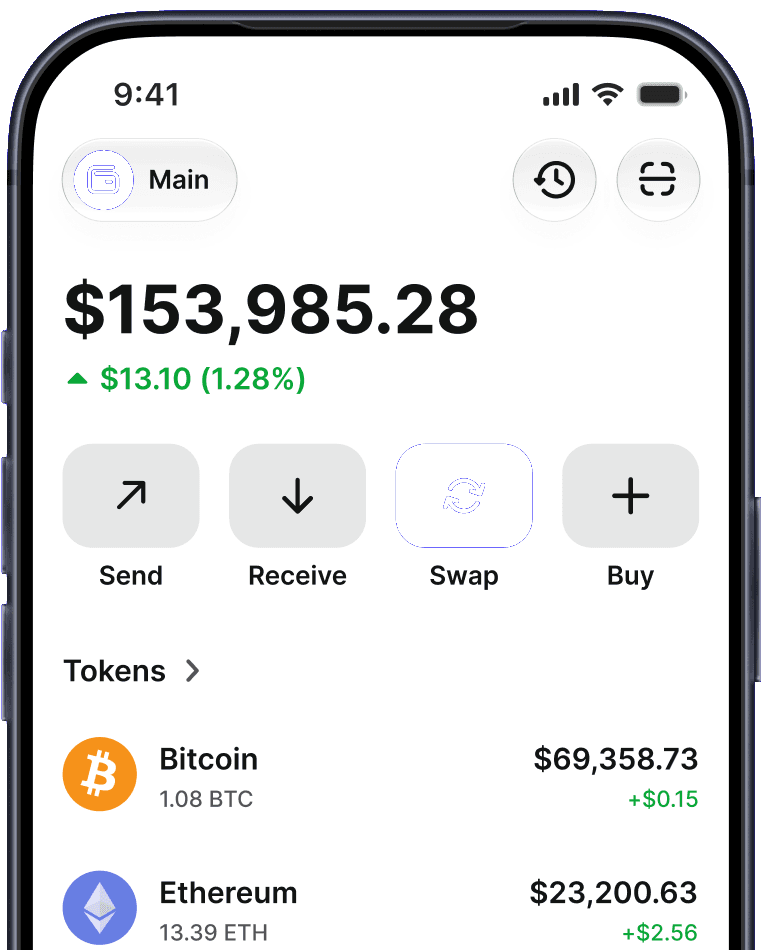
Trust Wallet is a multi-chain wallet supporting a vast range of Layer 1 blockchains — from Bitcoin and Ethereum to Solana, BNB Chain, and many more. As a non-custodial wallet covering 100+ blockchains, you can hold, send, swap, and stake native L1 assets, and bridge to Layer 2s — all while keeping full control of your private keys in one place.