


What Is a Node?
A node is a computer that participates in a blockchain network by running its software. Nodes store a copy of the blockchain (in full or in part), validate transactions and blocks against the network's rules, and relay that data to other nodes. Together, thousands of nodes keep a blockchain decentralized, synchronized, and secure.
Because the ledger is maintained collectively by many independent nodes, no single party can control, censor, or falsify it.
How Does a Node Work?
The node connects to other nodes (peers) in the network.
It downloads and stores blockchain data — a full node keeps the entire history.
When a new transaction or block arrives, the node checks it against the consensus rules.
Valid data is relayed to other peers; invalid data is rejected.
The node stays synchronized with the rest of the network, always reflecting the agreed-upon state of the ledger.
Types of Nodes
| Node Type | Role |
|---|---|
| Full node | Stores and validates the entire blockchain |
| Light node (SPV) | Stores headers only; relies on full nodes for data |
| Mining node | A full node that also produces blocks (PoW) |
| Validator node | Proposes and attests blocks in Proof of Stake |
| Archive node | Stores full historical state, used by explorers/devs |
Why Are Nodes Important?
Decentralization — the more independent nodes, the harder the network is to control or shut down.
Validation — nodes enforce the rules, rejecting invalid transactions and double-spends.
Data availability — nodes serve blockchain data to wallets, apps, and explorers.
Censorship resistance — no single node is required; the network keeps running as long as some nodes are online.
Full Node vs Light Node
A full node downloads and independently verifies the entire blockchain, offering maximum security and trustlessness but requiring significant storage. A light node stores only block headers and queries full nodes for the rest — ideal for mobile devices and wallets where resources are limited.
Nodes and Trust Wallet
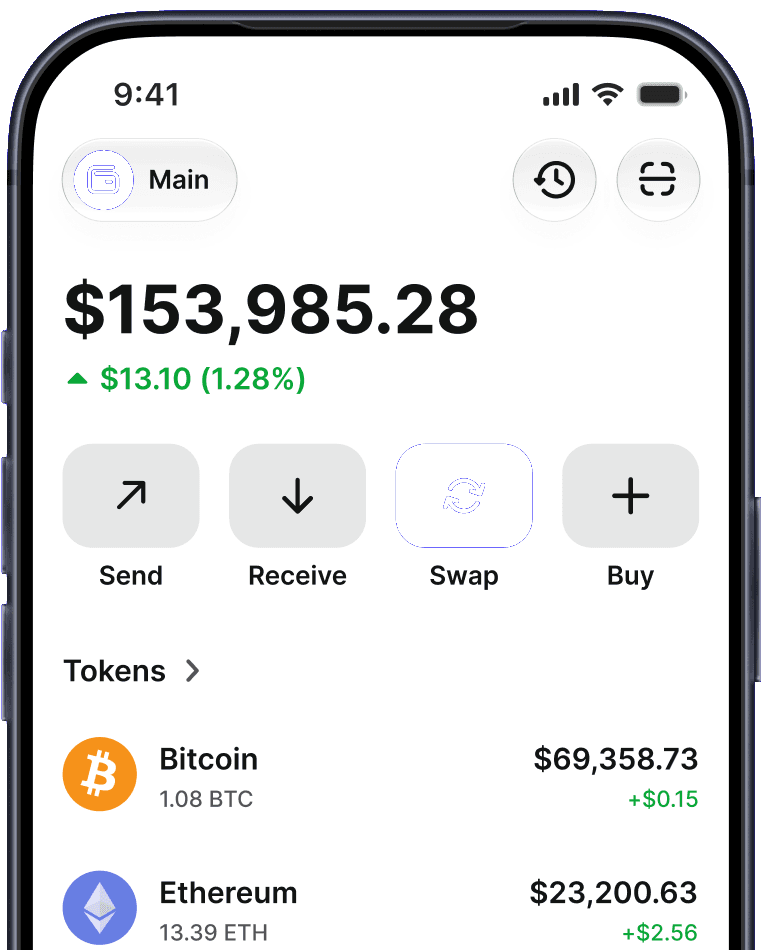
Trust Wallet connects to blockchain nodes to broadcast your transactions and read your balances, without requiring you to run your own node. As a non-custodial wallet, it lets you interact with 100+ blockchains while keeping full control of your private keys — combining the convenience of light access with true self-custody of your funds.