


What Is a Smart Contract?
A smart contract is a program stored on a blockchain that runs automatically when predetermined conditions are met. Once deployed, a smart contract executes exactly as written — without the possibility of
downtime, censorship, fraud, or third-party interference.
Smart contracts are the foundation of decentralized finance (DeFi), NFTs, decentralized exchanges (DEXs), and most of the applications built on Ethereum, BNB Chain, Solana, and other programmable
blockchains.
How Does a Smart Contract Work?
Think of a smart contract as a vending machine: you insert money, select an item, and the machine automatically dispenses it. No cashier, no trust required.
A developer writes the contract logic in a programming language (e.g. Solidity for Ethereum).
The contract is deployed to the blockchain, where it gets a permanent address.
Anyone can interact with the contract by sending a transaction to that address.
The contract executes its logic automatically, without any human intervention.
The outcome is recorded on the blockchain and cannot be altered.
Smart Contract Use Cases
| Use Case | How Smart Contracts Are Used |
|---|---|
| DeFi lending | Automatically lock collateral and issue loans when conditions are met |
| DEX trading | Swap tokens directly between wallets via liquidity pool contracts |
| NFTs | Enforce ownership, royalties, and transfers of digital assets |
| Staking | Lock tokens and distribute rewards based on time and amount |
| DAOs | Execute governance decisions automatically when a vote passes |
| Payments | Release funds when a service is confirmed as delivered |
Smart Contracts vs Traditional Contracts
| Smart Contract | Traditional Contract | |
|---|---|---|
| Enforcement | Automatic (code) | Manual (courts, lawyers) |
| Intermediary needed | No | Often yes |
| Cost | Gas fees only | Legal fees |
| Speed | Seconds | Days to months |
| Transparency | Fully public on-chain | Private |
| Modifiable after signing | No (immutable) | Yes (with legal process) |
| Error risk | Code bugs | Human interpretation |
Smart Contract Risks
Smart contracts are only as reliable as the code they contain. Common risks include:
Code bugs — vulnerabilities that attackers can exploit to drain funds
Oracle manipulation — feeding incorrect external data into a contract
Reentrancy attacks — exploiting a flaw in how contracts handle recursive calls
Before interacting with any smart contract, check whether the contract has been audited by a reputable third-party security firm.
Smart Contracts and Trust Wallet
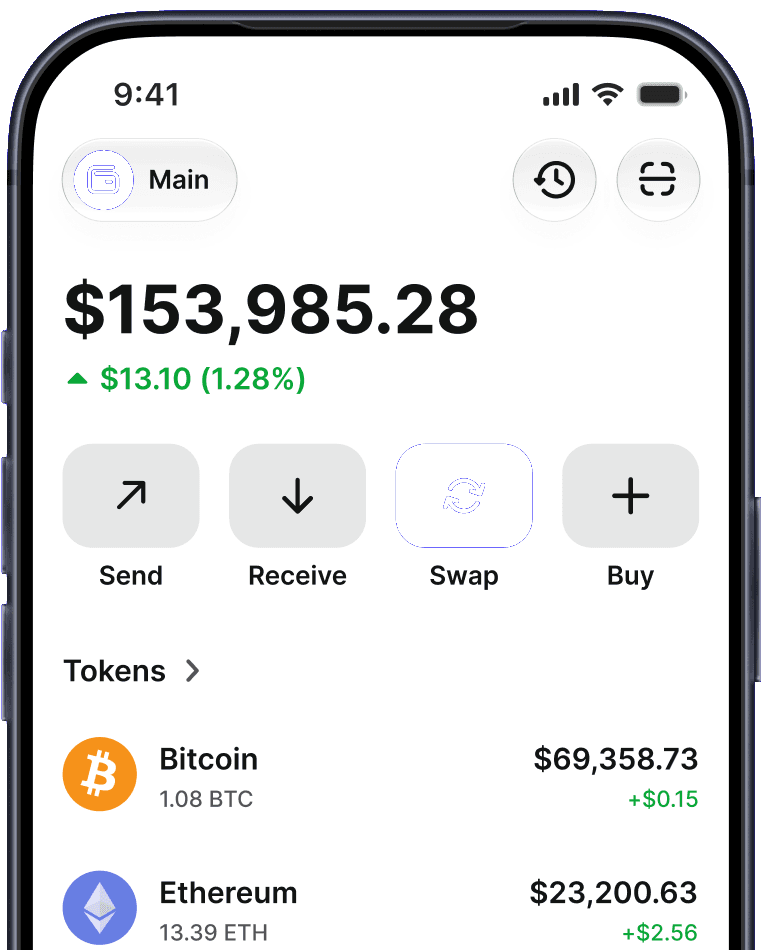
Trust Wallet interacts with smart contracts across 100+ blockchains. Every token swap, staking action, DeFi transaction, and NFT purchase executed through Trust Wallet involves smart contracts. Trust Wallet's built-in dApp browser lets you connect to any smart contract-powered application directly from your wallet, while keeping your private keys securely on your device.