


What Is Staking?
Staking is the process of locking cryptocurrency in a Proof of Stake (PoS) blockchain to participate in transaction validation and network security. In return, stakers earn rewards — typically paid in the same cryptocurrency they staked.
Think of staking as the Proof of Stake equivalent of mining. Instead of using energy-intensive hardware to solve puzzles (Proof of Work), validators lock up coins as collateral. The more they stake, the more likely they are to be selected to validate the next block. If they act honestly, they earn rewards. If they act maliciously, they lose a portion of their stake (slashing).
Staking has become one of the most popular ways to earn passive income in crypto, with billions of dollars worth of assets staked across major networks like Ethereum, Solana, Cardano, Polkadot, and BNB Chain.
How Does Staking Work?
The exact process varies by blockchain, but the general flow is:
You hold a stakeable cryptocurrency (e.g., ETH, SOL, ADA, BNB).
You delegate or lock your tokens to a validator — a node responsible for verifying transactions.
The validator is selected to propose or attest to new blocks based on the amount of stake they hold.
When the validator successfully processes a block, they receive a reward.
That reward is distributed proportionally to everyone who staked with that validator.
You can unstake your tokens after a cooldown period (which varies by network).
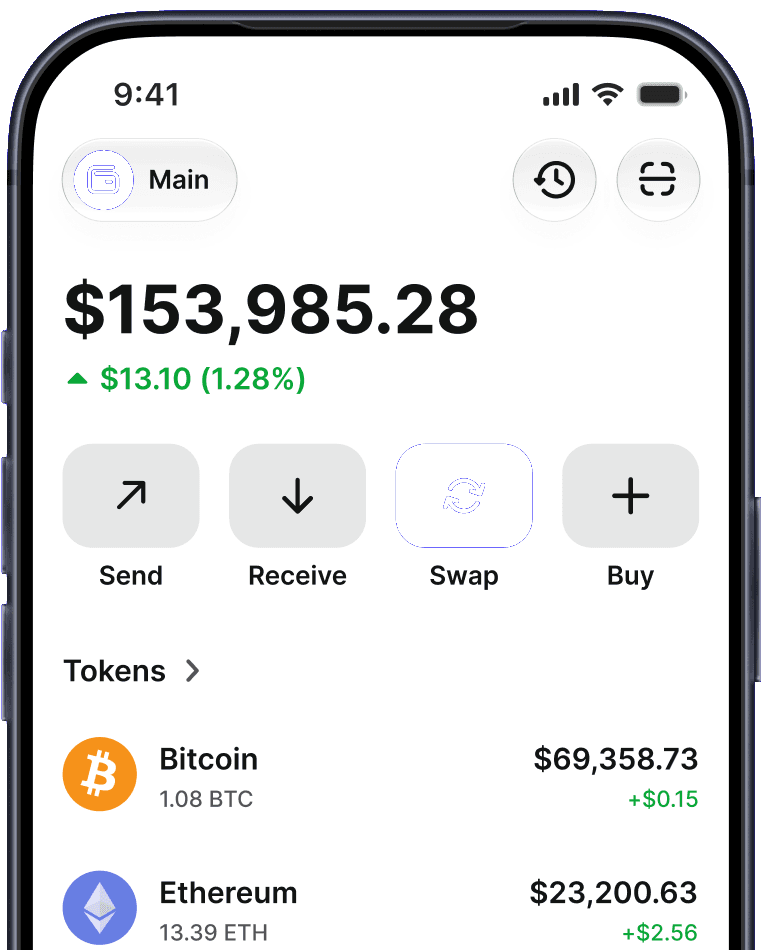
You do not need to run your own validator node. Most users delegate their tokens to an existing validator through a wallet like Trust Wallet, earning rewards without any technical setup.
Types of Staking
Native Staking (On-Chain)
Directly staking tokens on the blockchain's consensus layer. This is the most secure form of staking because your assets interact directly with the protocol.
Solo staking — Running your own validator node (requires significant capital, e.g., 32 ETH for Ethereum)
Delegated staking — Delegating your tokens to a validator operated by someone else (available to anyone with any amount)
Liquid Staking
Staking tokens while receiving a liquid receipt token that represents your staked position. This lets you earn staking rewards while still using your assets in DeFi.
| Protocol | Staked Asset | Receipt Token |
|---|---|---|
| **Lido** | ETH | stETH |
| **Rocket Pool** | ETH | rETH |
| **Marinade** | SOL | mSOL |
| **Jito** | SOL | JitoSOL |
| **BenQi** | AVAX | sAVAX |
Centralized Exchange Staking
Staking through a centralized platform that handles the technical process on your behalf. Convenient, but you give up custody of your keys.
DeFi Staking / Yield Farming
Locking tokens in a DeFi protocol (not the consensus layer) to earn rewards. Often called "staking" but technically it is liquidity provision or lending — the mechanics and risks differ from native staking.
Staking Rewards by Network
Rewards vary based on network inflation, total amount staked, and validator performance.
| Blockchain | Asset | Approximate APR | Lock-up Period |
|---|---|---|---|
| **Ethereum** | ETH | 3–4% | Unstaking queue (days to weeks) |
| **Solana** | SOL | 6–8% | ~2-3 days cooldown |
| **Cardano** | ADA | 3–5% | No lock-up (delegated) |
| **Polkadot** | DOT | 10–14% | 28 days unbonding |
| **Cosmos** | ATOM | 15–20% | 21 days unbonding |
| **BNB Chain** | BNB | 2–4% | 7 days unbonding |
| **Avalanche** | AVAX | 8–10% | 14 days unbonding |
Rates are approximate and change based on network conditions and total staked supply.
Staking vs Other Ways to Earn
| Method | How It Works | Risk Level | Custody |
|---|---|---|---|
| **Native Staking** | Secure the blockchain, earn protocol rewards | Low — protocol-level risk only | You keep your keys |
| **Liquid Staking** | Stake + get receipt token for DeFi | Medium — smart contract risk added | You keep your keys |
| **Lending** | Lend tokens to borrowers via protocol | Medium — borrower default, smart contract risk | Deposited in protocol |
| **Liquidity Provision** | Supply token pairs to a DEX pool | Medium-High — impermanent loss, smart contract risk | Deposited in protocol |
| **Yield Farming** | Move assets between protocols for highest yield | High — multiple smart contract risks, complexity | Deposited in protocol(s) |
Risks of Staking
Slashing
If the validator you delegate to behaves maliciously or goes offline for extended periods, a portion of the staked tokens can be destroyed (slashed). Choosing a reputable validator with high uptime minimizes this risk.
Lock-up and Unbonding Periods
Most networks require a cooldown period before you can access your unstaked tokens. During this period, you cannot sell or move your assets. If the market drops significantly during unbonding, you cannot react.
Validator Risk
If you delegate to a poorly performing validator with frequent downtime, you may earn reduced rewards or none at all. Some validators also charge high commission rates that eat into your earnings.
Smart Contract Risk (Liquid Staking)
Liquid staking protocols introduce additional smart contract risk. If the protocol is exploited, your staked assets could be at risk even though the underlying blockchain is secure.
Opportunity Cost
Staked tokens are not immediately available for trading. If the price of the staked asset drops significantly, you may have been better off holding unstaked and selling.
How to Choose a Validator
When delegating your tokens, evaluate validators on:
Uptime — Look for 99%+ uptime to maximize rewards
Commission rate — Lower is better, but extremely low rates may indicate an unsustainable validator
Total stake — Avoid validators that are already too large (hurts decentralization) or too small (may lack reliability)
Track record — How long has the validator been running? Any slashing history?
Community reputation — Check community forums and social channels for feedback
Staking and Trust Wallet
Trust Wallet lets you stake multiple cryptocurrencies directly from the app with no minimum requirements and no technical setup. You can delegate to trusted validators, track your staking rewards in real time, and unstake whenever you want. All staking is non-custodial — your keys stay with you. Trust Wallet currently supports native staking for ETH, SOL, BNB, ATOM, TRX, and other Proof of Stake assets.