


What Is a Stop-Loss Order?
A stop-loss order is an instruction to automatically sell (or swap) a token once its price drops to a level you set in advance. Its purpose is risk management — to cap how much you can lose on a position if the market moves against you, without having to monitor prices around the clock.
By deciding your maximum acceptable loss ahead of time, a stop-loss helps you avoid the common trap of holding a falling asset and hoping it recovers.
How Does a Stop-Loss Order Work?
You hold a token and decide the lowest price you're willing to tolerate.
You set a stop-loss target below the current market price.
The order monitors the market on your behalf.
If the price falls to your target, the order triggers a sale to limit further loss.
Why Use a Stop-Loss Order?
Limit losses — cap your downside at a level you choose in advance.
Protect capital — preserve funds to trade another day.
Remove emotion — pre-commit to an exit instead of freezing during a sell-off.
Enforce discipline — stick to a risk plan rather than holding and hoping.
Stop-Loss vs Take-Profit
| Feature | Stop-Loss Order | Take-Profit Order |
|---|---|---|
| Triggers when price | Falls to your target | Rises to your target |
| Purpose | Limit a loss | Lock in profit |
| Direction | Downside protection | Upside exit |
| Used together? | Often, as a pair | Often, as a pair |
Things to Keep in Mind
Volatility — setting a stop too tight can trigger it on normal price swings, exiting you prematurely.
Liquidity — in thin markets, a fast drop can fill your order at a worse price than the target.
Strategy — many traders combine a stop-loss with a take-profit to define both their downside and upside before entering a trade.
Stop-Loss and Trust Wallet
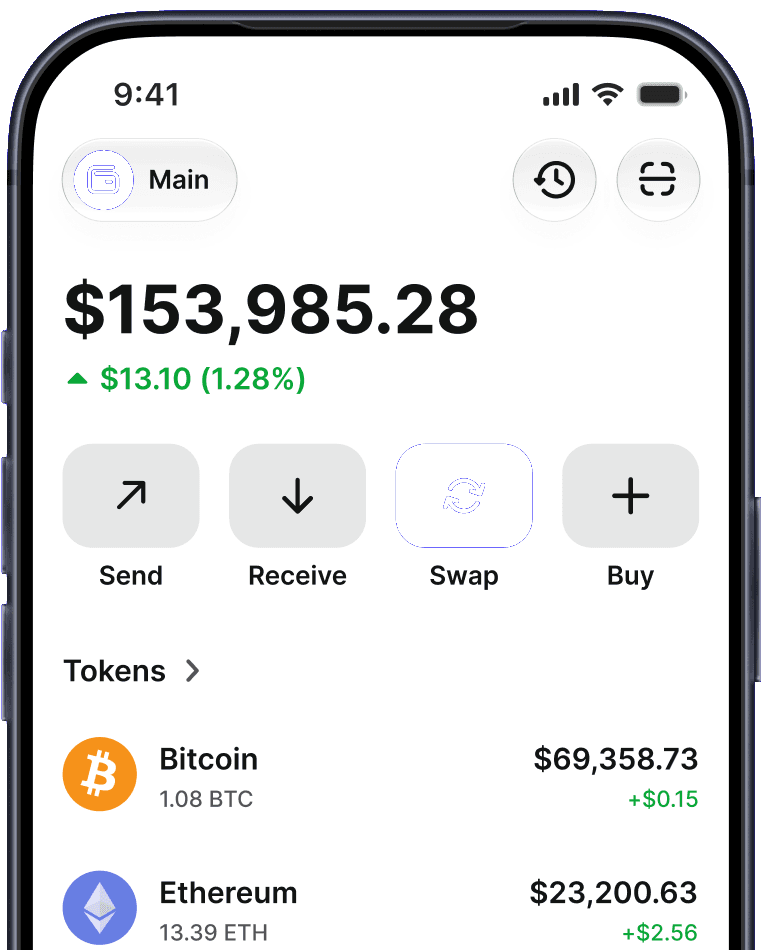
Trust Wallet puts you in control of your trades with limit orders on swaps, where you set the exact price at which a swap should execute — all from your self-custody wallet, with the output returning straight to you. Your assets never leave your control until an order fills, and you can view or cancel any open order at any time. Trust Wallet keeps adding tools that let you trade on your own terms while always holding your own keys.