


What Is a Whale in Crypto?
In crypto, a whale is a person or organization that holds a very large amount of a particular cryptocurrency — enough that their trades can move the market. Because whales control significant portions of an asset's supply, their buying and selling activity is closely watched by other investors.
The term comes from the idea of a massive creature making big waves: when a whale moves funds, the ripple effects can be felt across the market.
How Much Do You Need to Be a Whale?
There's no fixed threshold — it depends on the asset. For Bitcoin, addresses holding 1,000+ BTC are often considered whales. For smaller tokens, holding a large percentage of the circulating supply can make someone a whale even with far less capital.
Why Do Whales Matter?
| Impact | Description |
|---|---|
| Price influence | Large trades can move the market significantly |
| Liquidity effects | Big sells can drain liquidity and cause sharp drops |
| Market sentiment | Whale moves are watched as potential signals |
| Concentration risk | Heavy holdings in few hands can increase volatility |
Whale Watching
Because blockchains are transparent, anyone can track large wallet addresses — a practice called whale watching. Traders monitor whale movements (for example, large transfers to exchanges, which may signal selling) to anticipate possible market moves. However, on-chain activity can be ambiguous and is not a reliable predictor on its own.
Types of Whales
Individual whales — early adopters or high-net-worth holders.
Institutional whales — funds, companies, and corporate treasuries.
Exchange wallets — platforms holding large customer balances.
Project/foundation wallets — teams or foundations holding reserves.
Whales and Trust Wallet
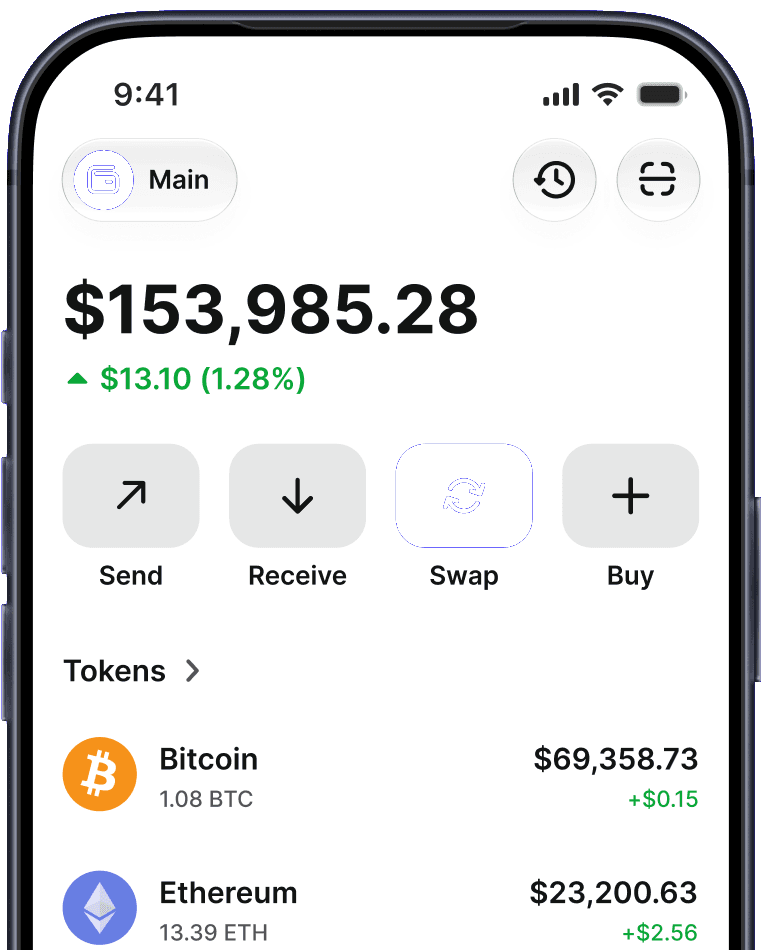
Whether you hold a little or a lot, Trust Wallet gives you the same self-custody security: your keys, your assets, your control across 100+ blockchains. Because the blockchain is public, you can use Trust Wallet alongside block explorers to view on-chain activity — while keeping your own funds protected by your private keys, never held by a third party.