





Своп
Bridging Crypto Made Easy: Moving Assets Across Blockchains with Trust Wallet
Поділіться дописом
Коротко
Learn how to bridge crypto assets across blockchains with Trust Wallet. Explore transfers, fees, security risks & best practices.
Key Takeaways:
Bridging moves assets between blockchains to access different DeFi opportunities while maintaining the same token exposure.
Trust Wallet makes it easy to move assets between blockchains using built-in swap and bridge tools.
Always check fees and network options before bridging, as fees between routes can differ.
Moving your crypto assets across different blockchain networks unlocks new opportunities for better fees, faster transactions, and diverse DeFi protocols. The technical process can, however, seem intimidating. This guide walks you through everything you need to know about moving digital assets between blockchains using Trust Wallet, from understanding how bridges work to completing your first cross-chain transfer safely and cost-effectively.
Why Bridging Matters
Different blockchain networks offer unique advantages. Ethereum provides the largest selection of DeFi protocols and established security, but transaction fees can be high. BNB Smart Chain offers the same smart contract functionality with lower fees. Layer 2 networks like Base and Arbitrum combine Ethereum's security with reduced costs.
Bridging lets you enjoy these benefits without selling your assets. You can move ETH to BNB Smart Chain for cheaper DeFi interactions, transfer USDC to Layer 2 networks for lower trading fees, or bring assets to newer networks for early access to emerging protocols. Trust Wallet supports bridging across different networks, making it simple to access opportunities wherever they exist.
How Blockchain Bridges Work
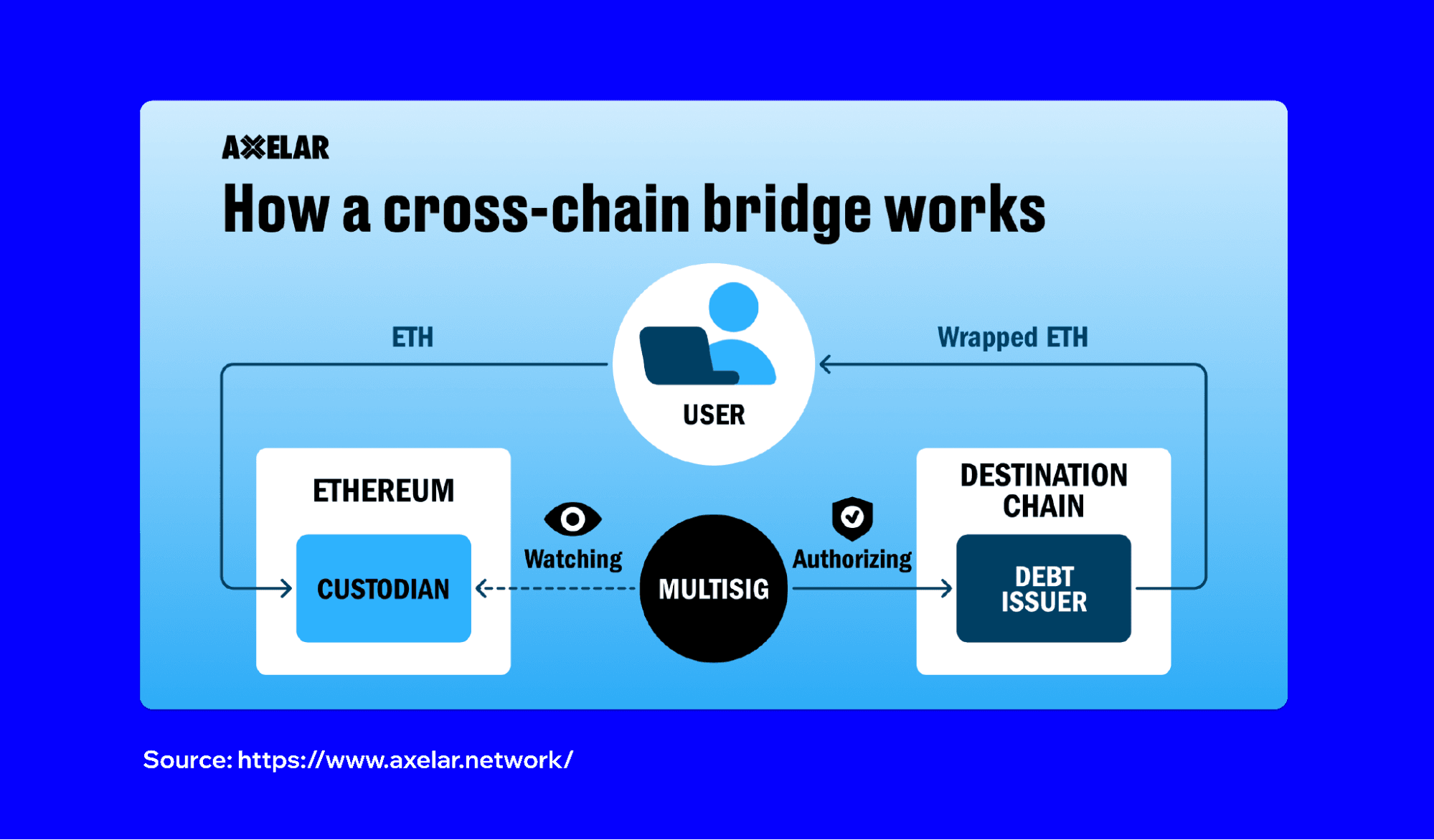
Crypto bridges use a lock-and-mint mechanism to safely move assets between networks. When you bridge tokens from one blockchain to another, the original tokens get locked in a smart contract on the source network. The bridge then mints equivalent wrapped tokens on the destination network.
The reverse process burns the wrapped tokens and unlocks the original assets. No new tokens are created - the total supply remains constant across both networks.
Trust Wallet handles these technical processes automatically through its integrated bridging interface. The wallet partners with established bridge providers to find optimal routes and competitive rates without requiring you to interact with complex bridge protocols directly.
How to Bridge Crypto Using Trust Wallet
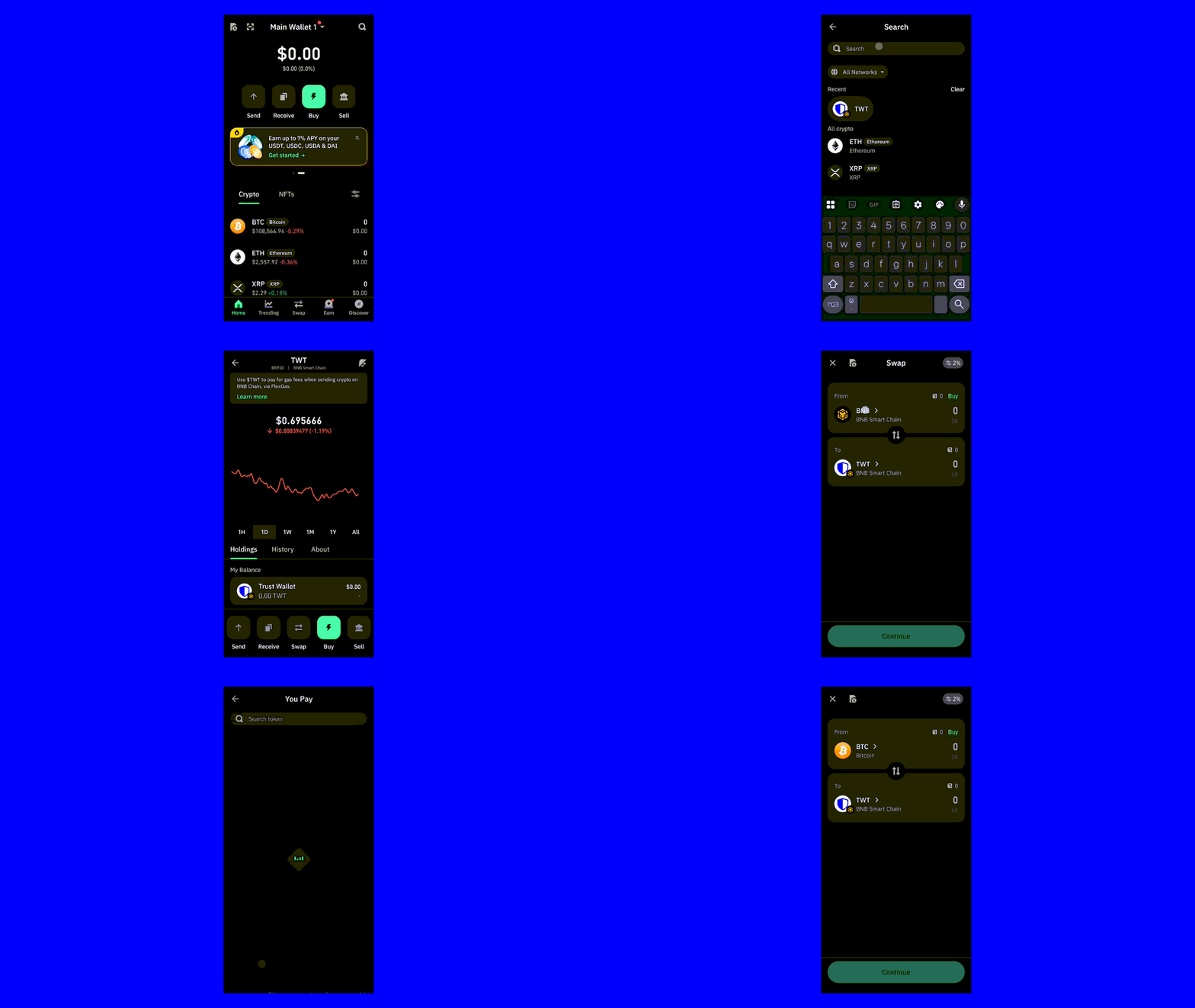
You can swap assets inside Trust Wallet by using the swap function, which lets you move tokens across blockchains. Open the app, tap “Swap” on the home screen, then choose the source network, the token, and the destination network. Trust Wallet finds the best route for you, using bridge protocols behind the scenes while keeping the experience simple and secure. Here’s how:
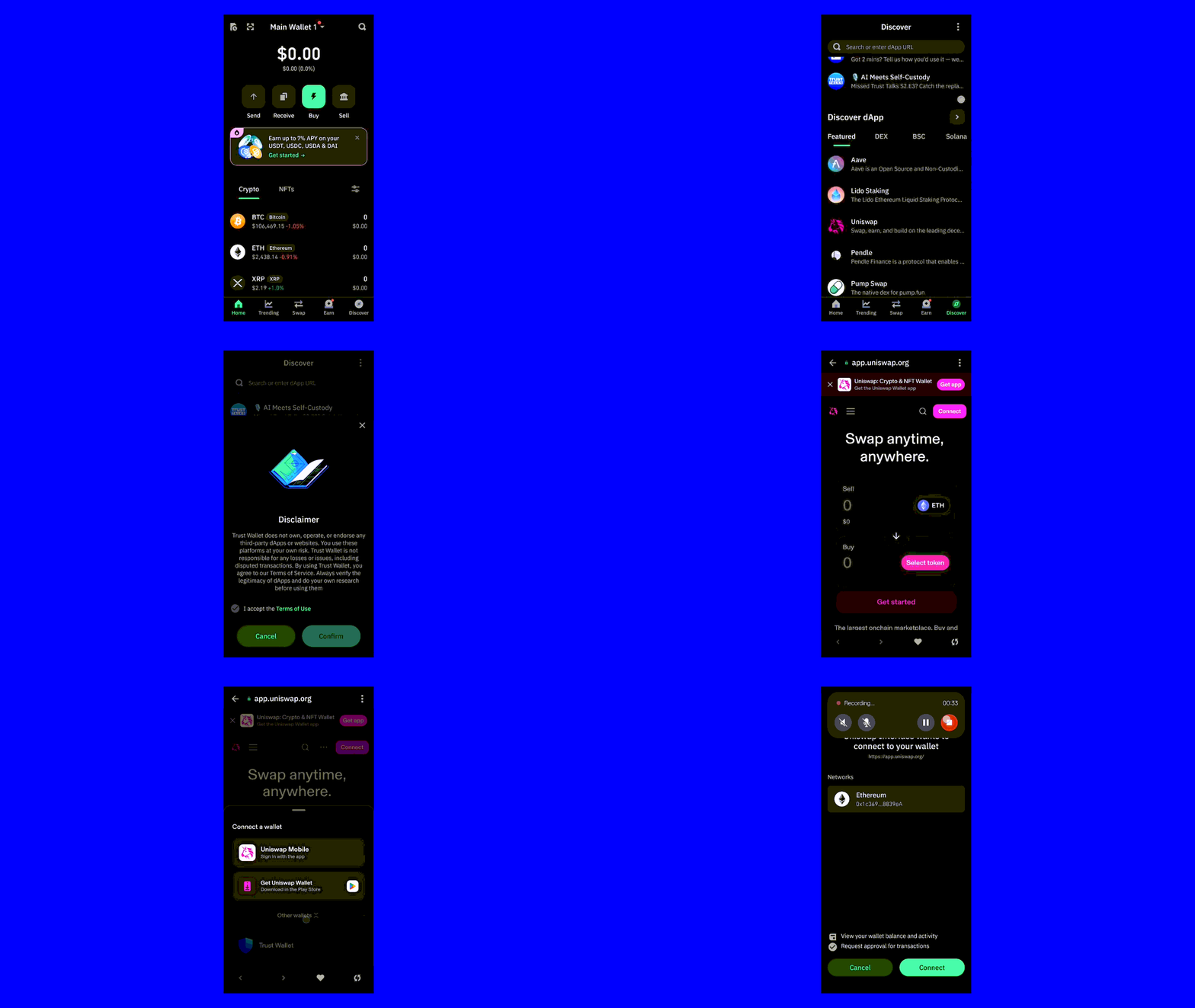
If you want to use a dedicated bridging protocol, Trust Wallet’s built-in dApp browser also gives you easy access to reputable decentralized bridge services, so you can connect your wallet, choose your token and networks, and follow each step to complete your cross-chain transfer safely. Here’s how:
Security Considerations
Bridges face smart contract risks and potential vulnerabilities. Trust Wallet partners with established, audited bridge providers with strong security records. Trust Wallet's non-custodial design means you maintain control of your private keys throughout the process.
Start with small amounts to test the process before doing larger transfers. Always verify network selections, token addresses, and amounts before confirming transactions. Keep Trust Wallet updated to access the latest security features and supported bridge integrations.
Fees, Costs, and What to Expect
Bridging and swapping assets with Trust Wallet always involves network costs, which are paid to miners or validators that process and secure your transaction. Network fees change and are based on blockchain activity, transaction size, and speed requirements. Some bridge and swap providers may also include a small service charge depending on complexity or route. Reviewing fee details is the best way to stay informed, and it’s important to remember that fee amounts may fluctuate over time and between blockchains.
Maximizing Your Bridging Strategy
Trust Wallet makes bridging your crypto easy. You can use the swap function in the app or connect to an official bridge protocol through the dApp browser. Bridging opens access to the full potential of multi-chain crypto, letting you optimize your crypto strategy for costs, speed, and opportunities across networks. Trust Wallet's integrated approach makes the bridging process accessible and secure for people at any experience level.
Download Trust Wallet Disclaimer: Content is for informational purposes and not investment advice. Web3 and crypto come with risk. Please do your own research with respect to interacting with any Web3 applications or crypto assets. View our terms of service. Join the Trust Wallet community on Telegram. Follow us on X (formerly Twitter), Instagram, Facebook, Reddit, Warpcast, and Tiktok
Note: Any cited numbers, figures, or illustrations are reported at the time of writing, and are subject to change.