




DeFi
Top 5 Tips to Stay Safe with DeFi Wallets
Compartir publicación
En resumen
Stay safe with DeFi wallets by learning the top security habits every crypto user needs, from seed phrase storage to token verification before swapping.
Key Takeaways:
Your secret phrase, or seed phrase, is the master key to your crypto wallet. Never store it digitally or share it with anyone.
Phishing messages, suspicious links, and unsolicited DMs are among the most common ways scammers steal crypto.
Trust Wallet's built-in features, including Address Poisoning Protection and the Security Scanner, add extra layers of protection to your DeFi activity.
DeFi wallets give you full control over your crypto, with no banks and no middlemen. That freedom comes with responsibility. Scammers know that most people skip the basics, and they rely on those gaps to steal funds. The good news is that staying safe doesn't require technical expertise. A few consistent habits can protect your DeFi wallet from the most common threats. Here are five tips every crypto user should follow.
1. Write Down Your Secret Phrase and Keep It Offline
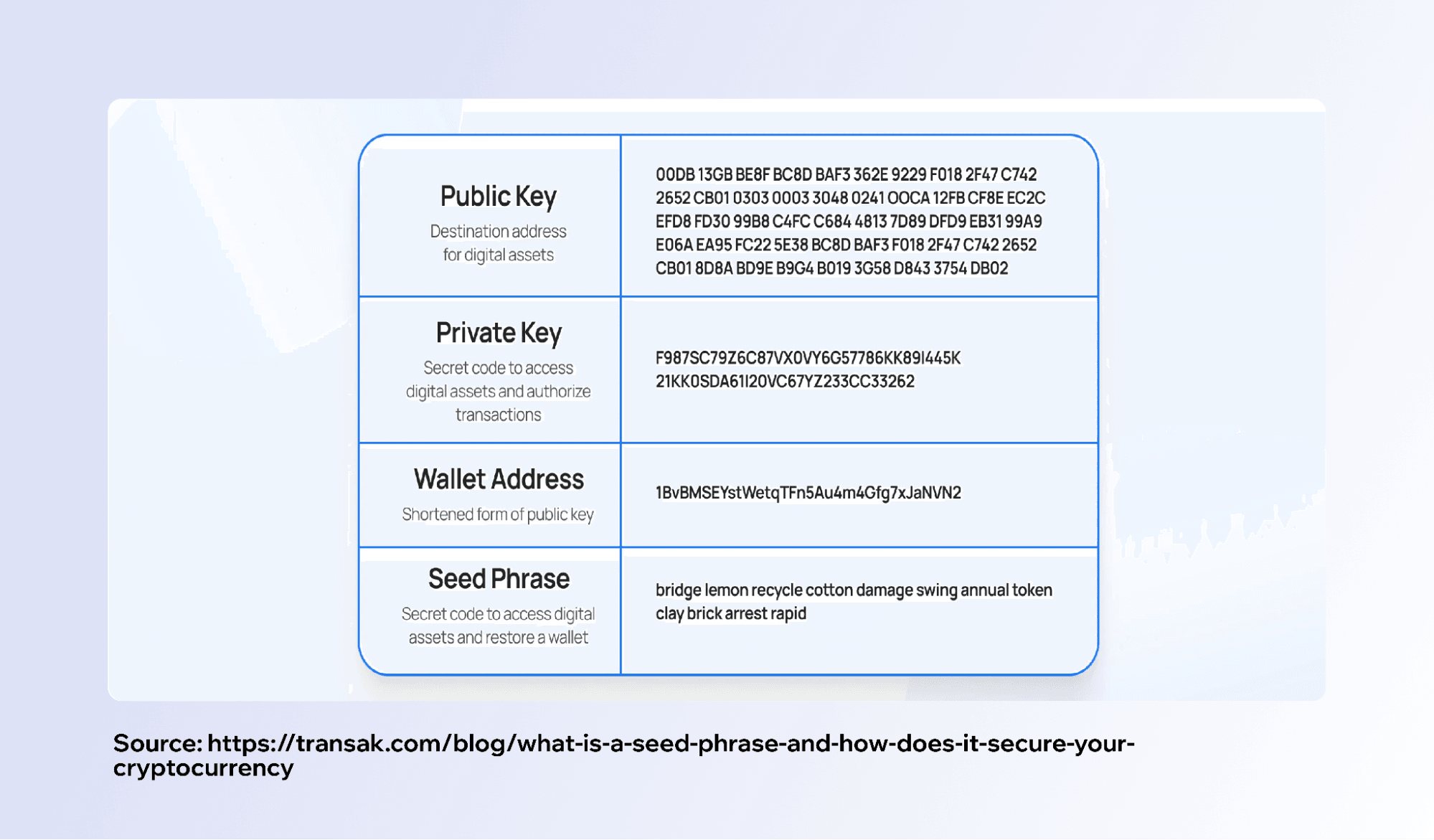
Your secret phrase, also called a seed phrase or recovery phrase, is the only way to recover your DeFi wallet if you lose your device. Anyone who has it can access all your funds instantly, with no further verification needed.
Write it on paper and store it somewhere physically secure, like a home safe or a bank safety deposit box. Never save it in a cloud storage service, a notes app, or as a screenshot. Digital copies are vulnerable to hacks and data breaches, no matter how secure your device feels. If you want extra durability, consider a metal backup plate that won't fade or tear over time.
Trust Wallet even prevents you from taking screenshots while backing up your secret phrase, a built-in safeguard designed to protect you from accidental exposure.
2. Ignore Unknown DMs and Never Click Suspicious Links
Phishing attacks are one of the most common ways scammers drain DeFi wallets. They arrive through fake emails, Telegram messages, Twitter DMs, and Discord notifications, often disguised as official support teams or exciting new projects.
A good rule: if you didn't start the conversation, treat it with suspicion. Legitimate platforms will never message you first asking you to verify your wallet, click a link, or hand over your secret phrase. Trust Wallet support will never ask for your 12-word phrase, full stop.
Before clicking any link, double-check the URL carefully. One misplaced character in a domain can redirect you to a wallet-draining phishing site. When in doubt, go directly to the official website by typing it into your browser.
3. Use Multiple Wallets for Different Purposes
Keeping all your crypto in one DeFi wallet is like carrying your life savings in one pocket. One mistake, one bad approval, one compromised interaction, and everything is at risk.
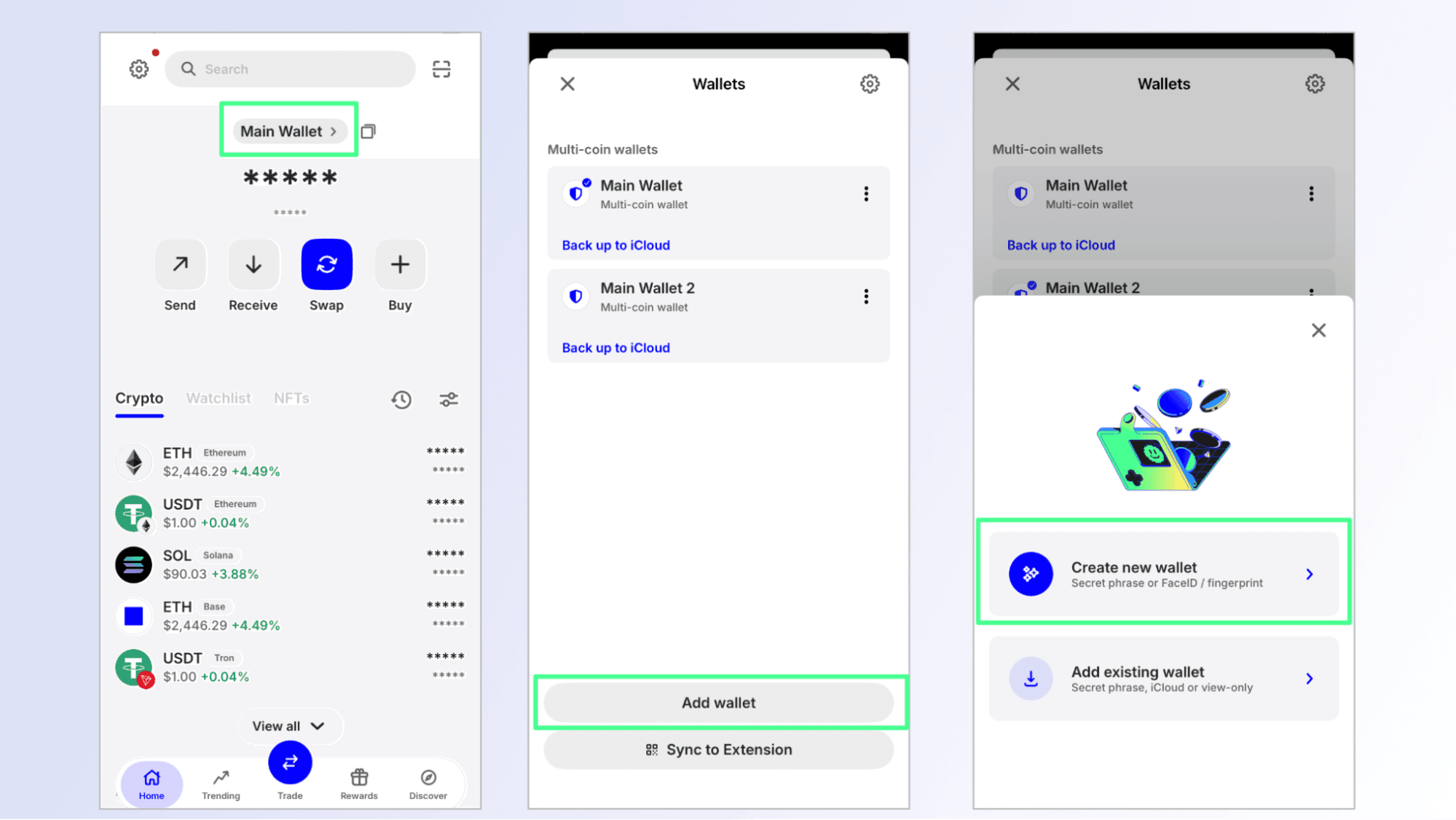
A practical approach is to split your wallets by purpose:
A main wallet for holding your primary assets and long-term savings.
A separate wallet for DeFi activity, swapping, and connecting to new protocols.
This separation means that even if a DeFi interaction goes wrong, your core holdings stay safe. It also makes it easier to track where your funds are and what each wallet is doing. Trust Wallet makes it simple to create and manage multiple wallets within the same app.
4. Test New Projects with a Fresh Wallet and Small Funds
When you find an interesting new DeFi project, it's tempting to jump straight in. Resist that urge. Smart contract vulnerabilities, rug pulls, and malicious approvals are common in newer protocols and they can empty your wallet without warning.
The safer approach is to create a dedicated wallet with a small amount of crypto for testing. Connect that wallet to the new project first. If anything looks wrong, such as unexpected approval requests, unusual token behavior, or transaction warnings from the Trust Wallet Security Scanner, you've only put a small amount at risk.
Your Security Scanner works automatically in the background, flagging risky addresses and suspicious smart contracts before you confirm a transaction. It assigns each transaction a risk level — low, medium, or high — and warns you before your funds move. No setup needed; it runs from the moment you use the app.
5. Always Verify Token Contract Addresses Before Swapping
Fake tokens are everywhere in DeFi. Scammers create tokens with the same name and ticker as popular projects but with a different contract address. If you swap into the wrong one, your money is gone.
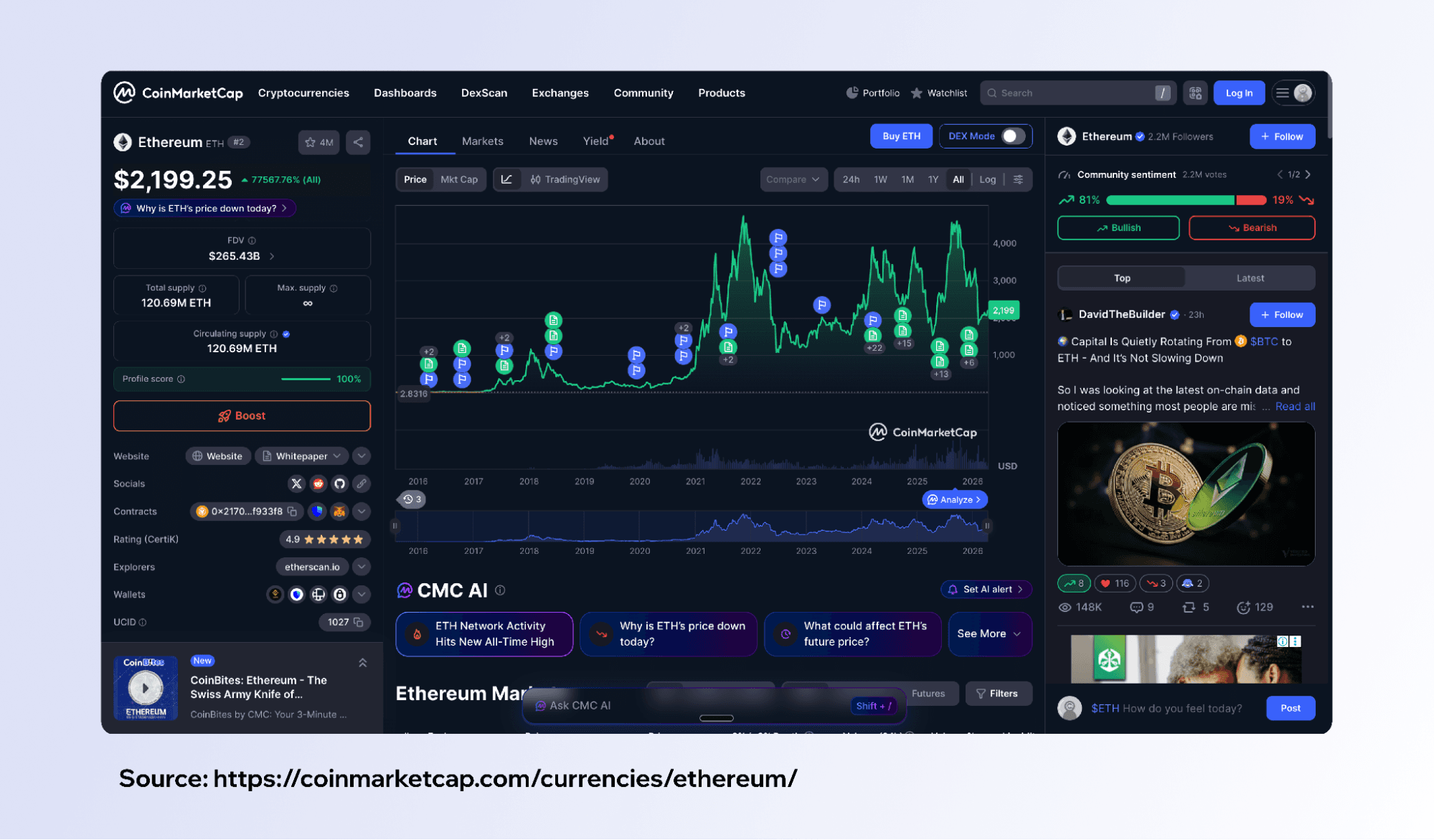
Before swapping any token, find its official contract address from the project's verified website or a trusted source like CoinMarketCap. Then paste that address directly into Trust Wallet's search bar to pull up the correct token. Never rely on search results alone, as two tokens can look identical at a glance.
This one extra step takes seconds and protects you from one of the most common and easily avoidable DeFi scams.
Bonus: Address Poisoning Protection in Trust Wallet
There's another threat worth knowing: address poisoning. Scammers send tiny transactions to your wallet from addresses that look almost identical to ones you've used before. If you copy an address from your transaction history without checking every character, your next transfer goes straight to the attacker.
Trust Wallet now includes Address Poisoning Protection, which automatically checks every destination address in real time and warns you when something looks suspicious. It runs without any manual setup, covering major networks including Ethereum, BNB Smart Chain, Polygon, and more.
The key takeaway: always copy wallet addresses from a trusted source rather than your transaction history, and verify the full address before sending anything.
Closing Thoughts
Staying safe with a DeFi wallet comes down to consistent habits, not technical skills. Protect your secret phrase like you would a physical key. Stay skeptical of unsolicited messages. Spread your funds across multiple wallets, test new projects carefully, and always verify contract addresses before swapping. Tools like Trust Wallet's Security Scanner and Address Poisoning Protection give you a strong safety net, but your own vigilance is what completes the picture.
Disclaimer: Content is for informational purposes and not investment advice. Web3 and crypto come with risk. Please do your own research with respect to interacting with any Web3 applications or crypto assets. View our terms of service.
Join the Trust Wallet community on Telegram. Follow us on X (formerly Twitter), Instagram, Facebook, Reddit, Warpcast, and TikTok
Note: Any cited numbers, figures, or illustrations are reported at the time of writing, and are subject to change.