

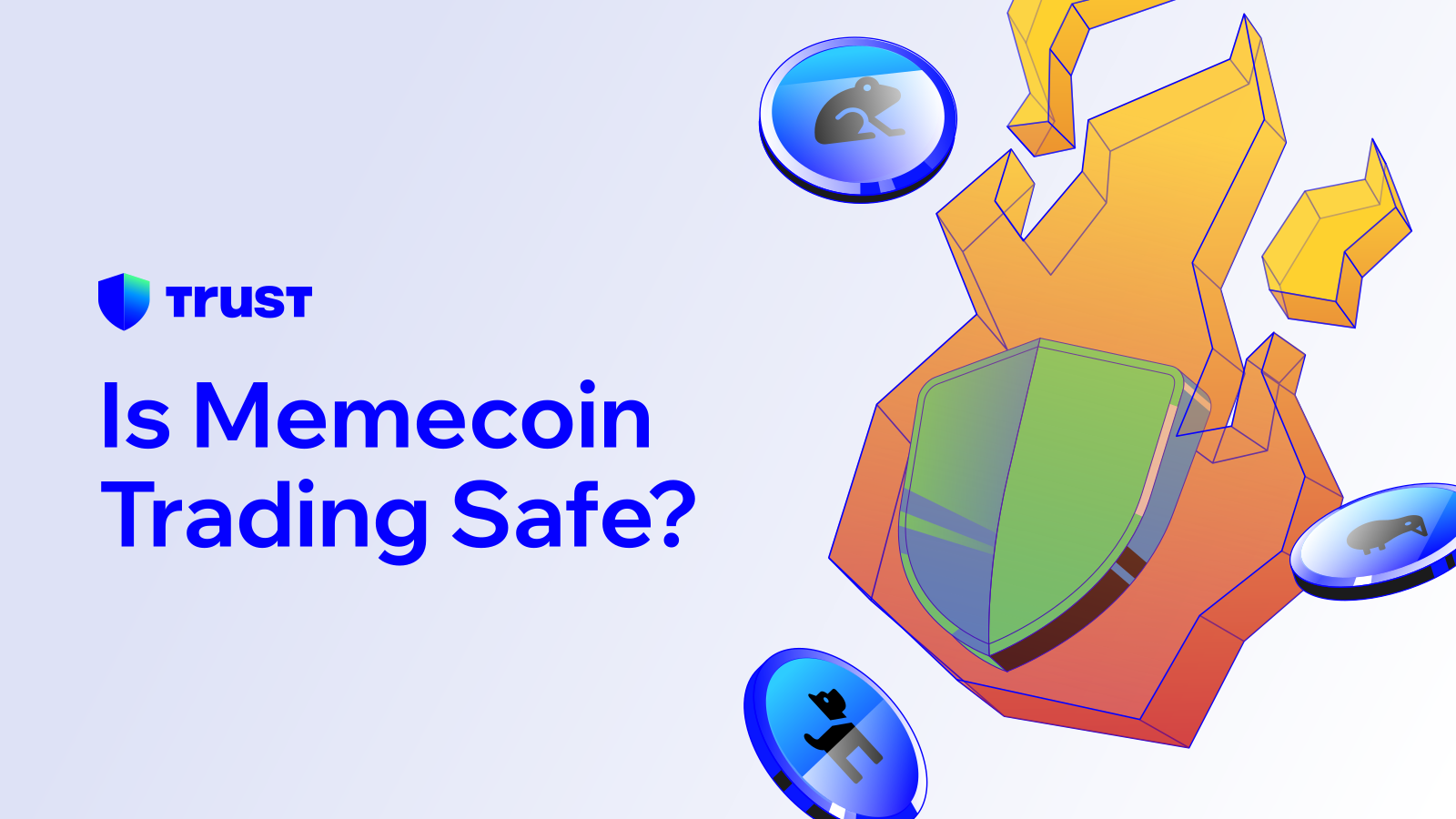
Memecoin trading is highly speculative and can involve significant risk. Memecoin prices can rise or fall rapidly, liquidity can disappear, and some tokens may be associated with scams, rug pulls, or malicious smart contracts. In some cases, traders can lose most or all of the money they put into a token.
There is no risk-free way to trade memecoins. You can reduce some avoidable risks by researching tokens and their on-chain activity before buying, using a self-custody wallet to maintain control of your assets, and only using money you can afford to lose.
What Is Memecoin Trading?
Memecoins are crypto tokens commonly associated with internet culture, communities, memes, and social attention. Their prices can be heavily influenced by market sentiment, speculation, and online activity.
Memecoin trading involves buying and selling these tokens in an attempt to profit from price movements. Many memecoins are newly launched and can have limited liquidity, concentrated ownership, or little established track record.
Because creating a token is relatively accessible on many blockchains, memecoins can range from community-driven projects to fraudulent or malicious tokens.
What Are the Risks of Memecoin Trading?
No form of memecoin trading is risk-free. The main risks are structural, not hidden:
| Risk | What it means | How to reduce it |
|---|---|---|
| Extreme volatility | Prices can swing 50%+ in hours with no warning | Trade only small amounts you can afford to lose |
| Rug pulls & scams | Creators drain liquidity or block sales | Check liquidity locks, holders, and contract flags first |
| Low liquidity | You may not be able to sell at the price you see | Prefer tokens with deeper, locked liquidity |
| Platform risk | A custodial service could freeze or lose funds | Trade from a self-custody wallet |
| Emotional / FOMO trading | Hype pressures rushed decisions | Decide your limits before you buy, not during |
Is Memecoin Trading Profitable?
There is no reliable or guaranteed way to profit from memecoins. Some traders have made large gains, but many more lose money, and past performance of any token says nothing about the future. Memecoins have no earnings or intrinsic value to fall back on, so prices depend entirely on demand that can vanish quickly. Treat any money put into memecoins as money you are prepared to lose entirely.
How Is Memecoin Trading Different From Investing?
Traditional investing often involves evaluating an asset's fundamentals, expected cash flows, utility, or long-term growth prospects. Memecoin trading is generally more speculative, with price movements often driven by market sentiment, community activity, liquidity, and momentum.
That means the time horizon, research process, and risk involved can differ substantially from investing in assets based on established fundamentals.
How Can I Trade Memecoins More Safely?
You cannot eliminate the risks of memecoin trading, but you can take steps to understand them before making a transaction:
Research every token on-chain first: liquidity locked, holder distribution, contract flags (mint/freeze/honeypot).
Use a self-custody wallet so no exchange controls your funds.
Only trade with money you can afford to lose completely.
Set your entry and exit limits before you buy, and stick to them.
Ignore "buy now or miss out" pressure — urgency is a manipulation tactic.
Never share your secret recovery phrase; phishing causes more losses than bad trades.
Does Self-Custody Make Memecoin Trading Safer?
Self-custody gives you control of your wallet and private keys instead of placing custody of your assets with a centralized platform. This can reduce certain custodial and platform-related risks, such as relying on an exchange to hold or process withdrawals.
However, self-custody does not eliminate market risk, smart-contract risk, token scams, or transaction risk. You are also responsible for protecting your wallet and approving transactions carefully.
Disclaimer: Content is for informational purposes and not investment, financial, or tax advice. Web3 and crypto come with risk. Please do your own research with respect to interacting with any Web3 applications or crypto assets. View our terms of service.