

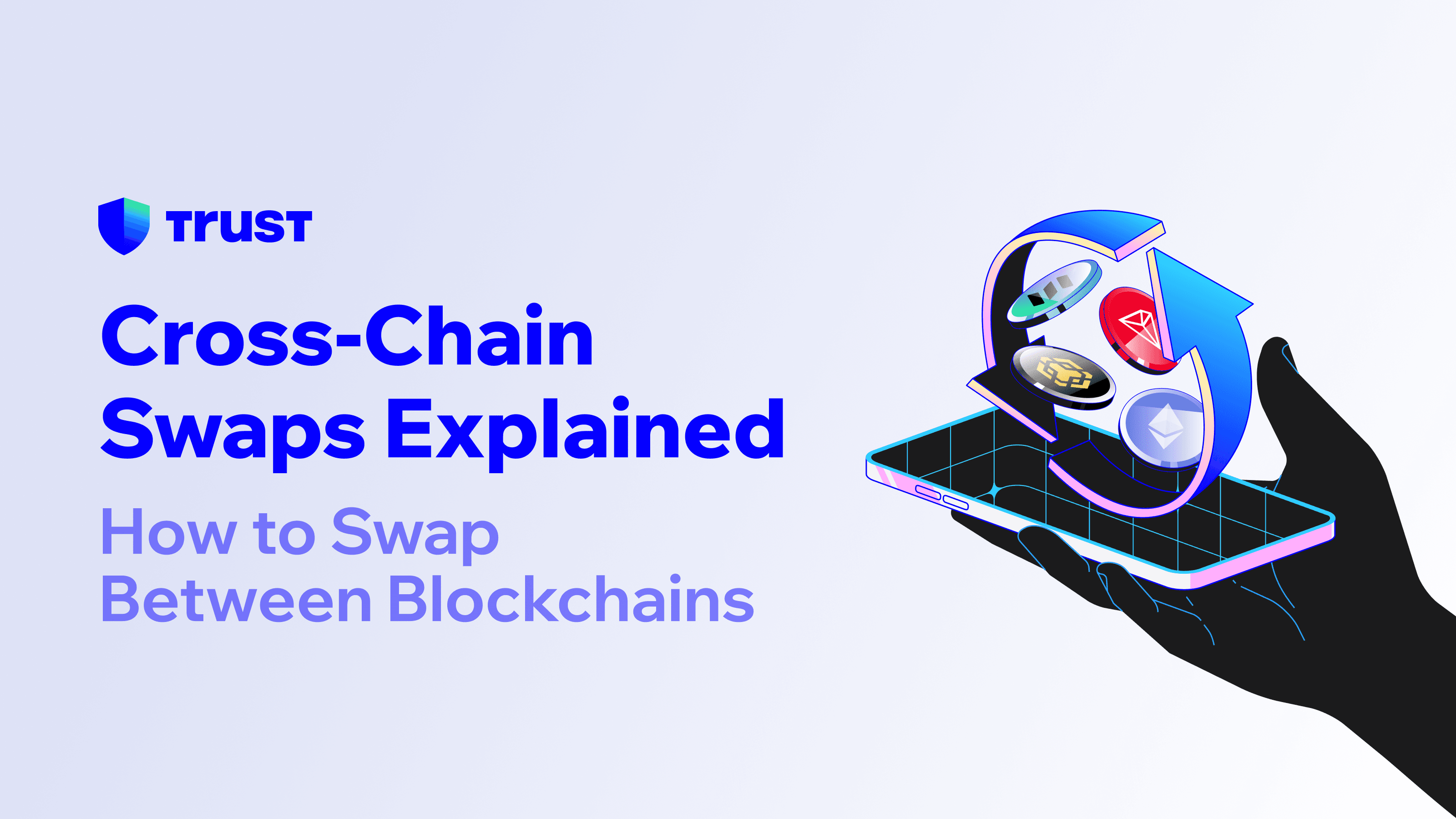
A cross-chain swap trades a token on one blockchain for a token on a different blockchain — for example, BTC on Bitcoin for ETH on Ethereum — in a single transaction from your point of view. The bridging between networks happens behind the scenes: you don't need to use a bridge manually, wrap tokens, or move funds through an exchange. You pick the pair, review the quote, confirm, and the destination tokens arrive on the other chain.
What problem do cross-chain swaps solve?
Blockchains don't talk to each other natively. A token on Ethereum can't simply be sent to Solana — each network has its own ledger, address format, and assets. Historically, moving value between chains meant either depositing on a centralized exchange and withdrawing on the other network, or manually bridging: locking tokens on one chain, minting a wrapped version on another, then swapping that.
Both paths work, but both are multi-step, and manual bridging in particular is where many costly mistakes happen — wrong network, wrong wrapped asset, or an unofficial bridge. A cross-chain swap compresses that whole journey into one confirmed action.
How does a cross-chain swap work behind the scenes?
When you confirm a cross-chain swap, a routing protocol coordinates several steps for you: it may swap your input token into an asset that can move between chains, transfer value across via a bridge or a network of liquidity providers, then swap into your target token on the destination chain. Some routes settle through shared liquidity pools on both chains instead of a literal bridge transfer.
You don't manage any of that. What you see is a quote — the amount you'll receive on the destination chain, with fees already reflected — and a single transaction to sign on the source chain.
How is that different from bridging manually?
| Manual bridge + swap | Cross-chain swap | |
|---|---|---|
| Steps you perform | Bridge, wait, then swap — several signatures | One quote, one confirmation |
| Interfaces involved | Bridge site plus a DEX (or an exchange) | One swap screen |
| Room for error | Wrong network, wrong wrapped token, unofficial bridge sites | Route is assembled for you — third-party bridge and liquidity risk still applies |
| Transparency | You see each leg separately | One quote covering the whole route |
The manual path still has its place — power users sometimes optimize each leg. If you want the mechanics in depth, see how to bridge tokens from one chain to another.
What fees does a cross-chain swap involve?
Expect the same three cost types as any swap, plus the bridging leg: a gas fee on the source chain (paid in that chain's native token), provider and bridge fees along the route, and price impact on each swap leg. Fees vary by route and provider, and the quoted "you receive" amount on the destination chain already accounts for them — that's the number to compare.
One thing to plan for: if you'll want to move or swap the received tokens later, you'll eventually need some of the destination chain's native token for gas there too.
Why do cross-chain swaps take longer, and why do quotes expire?
A same-chain swap confirms in one block. A cross-chain swap has to be confirmed on the source chain, relayed or settled across, then finalized on the destination chain — so a few extra minutes is normal, and it varies with how busy each network is.
Quotes also expire faster than you might expect. The route spans two markets that both move in real time, so a quote is only valid briefly; if it lapses, refresh it rather than signing a stale one. Slippage tolerance applies here as well — the executed amounts can differ slightly from the quote, and the "minimum received" figure is enforced by the transaction itself — if the price moves past it, the swap fails rather than executing at a worse rate.
How do you make a cross-chain swap in Trust Wallet?
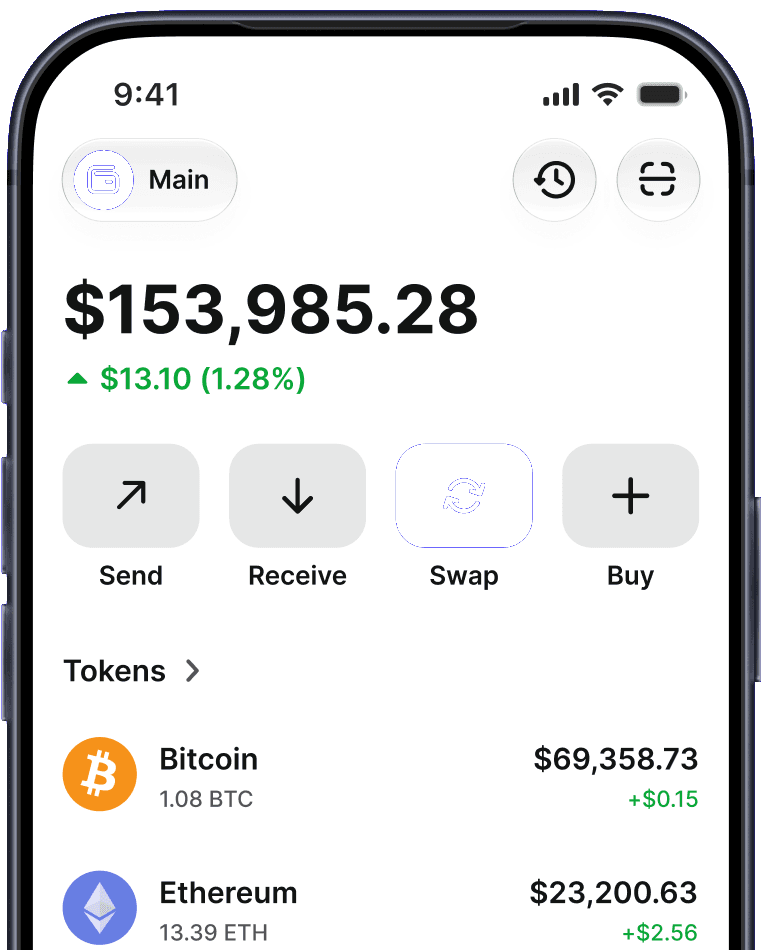
Trust Wallet's swap feature supports cross-chain swaps alongside market swaps and limit orders, across 100+ blockchains — with routing and liquidity provided by third-party protocols. You select the source token and chain, select the destination token and chain, review one quote with adjustable slippage, and confirm — the Security Scanner checks the transaction against known risk signals before you sign — a prompt to look closer, not a guarantee. You sign from your own wallet and the destination tokens arrive in your own wallet; in between, value moves through third-party bridge and liquidity protocols that Trust Wallet does not operate or control. Start at trustwallet.com/swap.
Disclaimer: Content is for informational purposes and not investment, financial, or tax advice. Web3 and crypto come with risk. Please do your own research with respect to interacting with any Web3 applications or crypto assets. View our terms of service.