

The world of cryptocurrency continues to surge forward, constantly challenging the traditional financial landscape. Ethereum ETFs are financial instruments designed to simplify access to Ethereum without the complexities of directly owning the cryptocurrency. Before ETFs can become a mainstream reality for everyday investors, a rigorous filing process must be navigated, particularly under the watchful eye of the US Securities and Exchange Commission (SEC).
This article delves into the intricate world of ETH ETF filings, focusing primarily on the US regulatory landscape overseen by the SEC. We'll explore the filing process, its rationale, and briefly touch upon how other countries like Canada are approaching ETH ETFs.
An Ethereum ETF is a basket of investments that exists to mirror the performance of Ethereum. Similar to how a stock ETF tracks a collection of stocks within an index, an Ethereum ETF would hold Ethereum or assets directly tied to its value. Ethereum ETFs enable investors to gain exposure to the price movements of Ethereum, without needing to set up a digital wallet or navigate the intricacies of cryptocurrency exchanges.
Before You Get Started
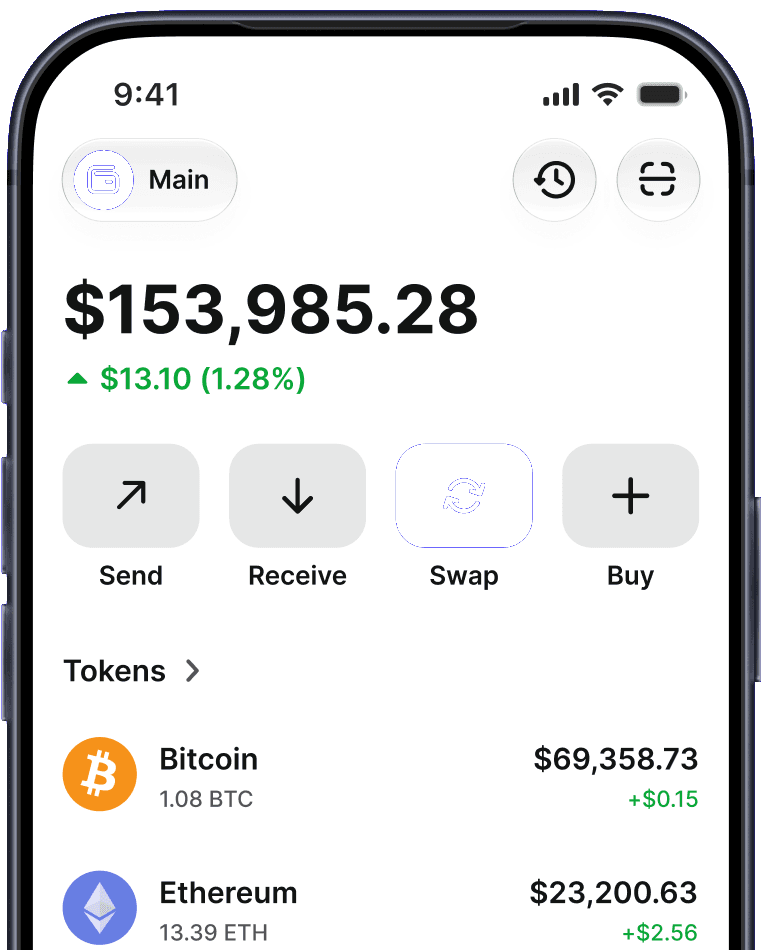
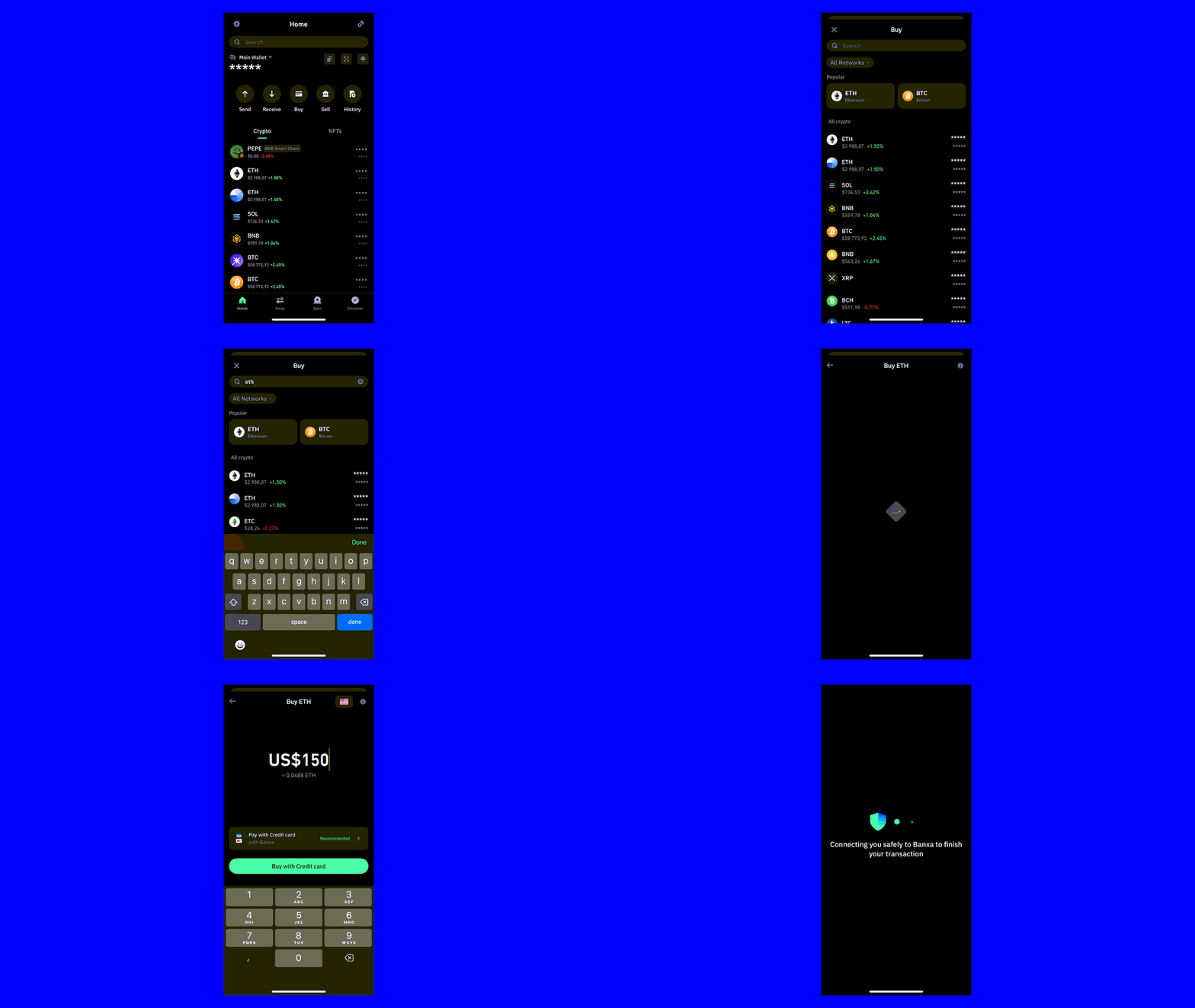
Before you explore Ethereum ETF filings in more detail, remember that you can buy Ethereum using Trust Wallet.
You can also use Trust Wallet as your Ethereum wallet. Your Trust Wallet account supports ETH and ERC20 tokens. Download Trust Wallet as a mobile app, or you can install the Trust Wallet Extension for your desktop browser.
Why the Regulatory Hurdle?
Before diving into the specifics of filing, it's crucial to understand why ETH ETFs face this regulatory hurdle in the first place. The cryptocurrency market is a relatively new and often volatile landscape. The SEC, tasked with protecting investors, has expressed concerns about potential manipulation, transparency issues, and the underlying infrastructure supporting these digital assets.
Here are some key factors contributing to the regulatory scrutiny:
Market volatility: The cryptocurrency market is notorious for its dramatic price swings. The SEC must ensure that investors understand the inherent risks associated with ETH ETFs before investing.
Custody and security: Safeguarding large amounts of cryptocurrency requires robust security measures. The SEC must be confident that the underlying Ethereum holdings of the ETF are secure from hacks or theft.
Anti-Money Laundering (AML) and Know Your Customer (KYC): The SEC strives to prevent the use of ETFs for illicit activities like money laundering. Stringent KYC and AML procedures are essential to mitigate these risks.
These concerns translate into a comprehensive filing process that is designed to ensure investor protection and ensure market integrity.
The SEC Filing Process: A Step-by-Step Guide
The process of filing an ETH ETF with the SEC can be complex. Here's a simplified breakdown of the key steps involved:
-
Application: The initial filing formally expresses the intent to create an ETH ETF. The application outlines the structure, investment strategy, and operational details of the proposed fund.
-
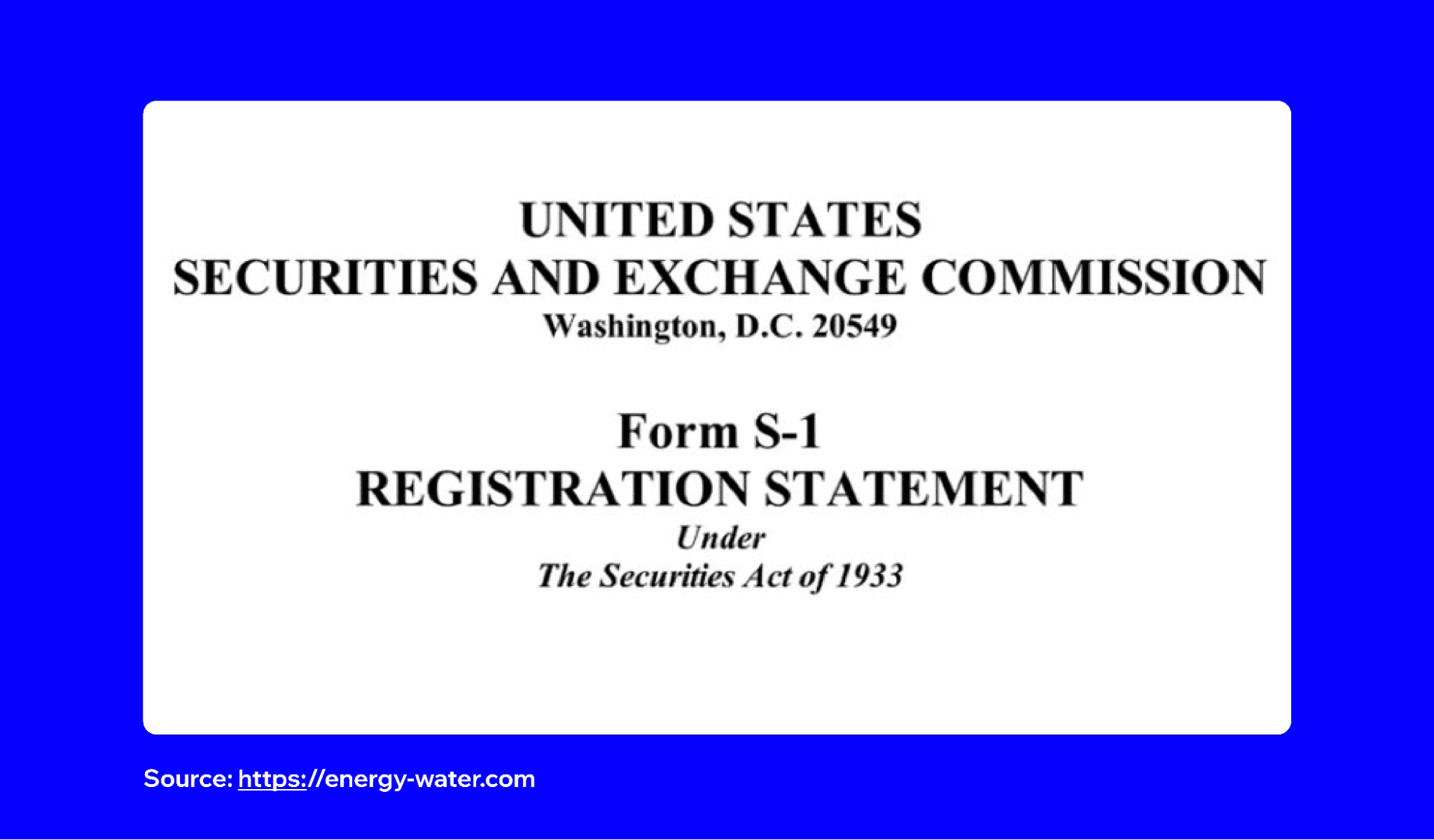
S-1 Registration Statement: The registration statement is a comprehensive document that dives into the intricacies of the ETF. The S-1 Registration Statement details investment objectives, risks involved, fees associated with the fund, and the background of the management team.
-
Response to SEC comments: The SEC meticulously reviews the S-1 filing and may raise questions or require additional information. The ETF sponsor must address these concerns in a timely and comprehensive manner.
-
Approval (or rejection): After a thorough review process, the SEC may grant approval for the ETF to begin trading. Rejection is also a possibility, necessitating revisions and refiling.
The process can be lengthy, taking several months or years, depending on the complexity of the filing and the SEC's current backlog.
The Canadian Landscape: A Different Path
While the US grapples with ETH ETF regulations, other countries are taking a more relaxed approach. Canada, for example, has already approved several Bitcoin ETFs. In Canada, the regulatory environment for ETH ETFs is considered more open, in comparison to the US. The Canadian Securities Administrators (CSA) implements a risk-based approach to cryptocurrency, focusing on investor protection while fostering innovation.
Even in Canada, however, ETH ETFs do undergo a review process to ensure compliance with regulations. The specific approach may differ from the US, but the core principles of investor protection remain paramount.
The Global Attitude Towards ETH ETFs
Several other countries and regions have regulatory policies for ETFs, including:
European Union (EU): The EU has a harmonized regulatory framework for ETFs under the UCITS (Undertakings for Collective Investment in Transferable Securities) directive. The UCITS directive sets out standards for the operation, marketing, and risk management of ETFs across the EU member states.
Singapore: The Monetary Authority of Singapore (MAS) regulates ETFs under the Securities and Futures Act. The MAS has a risk-based approach similar to Canada's CSA, focusing on investor protection while fostering innovation in the financial sector.
Australia: The Australian Securities and Investments Commission (ASIC) regulates ETFs under the Corporations Act. ASIC's regulatory framework is considered relatively investor-friendly, but it still requires ETFs to comply with disclosure and governance standards.
The Road Ahead for ETH ETFs
It's still early days, but the recent approval of the first several spot Ethereum ETF filings in the US marks a significant milestone. The SEC will continue to scrutinize these filings, and the path to widespread availability of ETH ETFs for US investors may still have some twists and turns.
Despite the regulatory hurdles, the potential benefits of ETH ETFs are undeniable. ETH ETFs offer investors a convenient and regulated way to gain exposure to Ethereum without the complexities of directly owning and managing the cryptocurrency. This could attract a broader range of investors to the Ethereum ecosystem, potentially fueling further growth and mainstream adoption.
Closing thoughts
Navigating ETH ETF filings is a complex, but important, step towards bringing access to Ethereum to the mainstream market. While the US regulatory landscape remains cautious, the recent approvals and the contrasting approach of countries like Canada offer a glimmer of hope for the future of ETH ETFs. As the regulatory environment evolves and the cryptocurrency market matures, ETH ETFs have the potential to become a powerful tool for investors seeking exposure to the exciting world of Ethereum.
Join the Trust Wallet community on Telegram Follow us on X (formerly Twitter) Instagram Facebook Reddit Warpcast
Note: Any cited numbers, figures, or illustrations are reported at the time of writing, and are subject to change.