


What Is a Mempool?
The mempool — short for "memory pool" — is the holding area where a blockchain node keeps valid transactions that have been broadcast to the network but not yet confirmed in a block. When you send a transaction, it first lands in the mempool, where it waits to be picked up by a miner (Proof of Work) or validator (Proof of Stake).
Each node maintains its own mempool, so the exact contents can vary slightly from node to node across the network.
How Does the Mempool Work?
A user broadcasts a signed transaction to the network.
Nodes check that the transaction is valid (correct signature, sufficient balance, etc.).
Valid transactions enter the mempool and wait.
Miners or validators select transactions from the mempool to include in the next block — usually prioritizing those with higher fees.
Once included in a confirmed block, the transaction leaves the mempool.
Why Does the Mempool Matter?
Fee estimation — wallets read mempool data to suggest the right fee for fast confirmation.
Network congestion — a large, full mempool signals high demand and rising fees.
Transaction priority — higher-fee transactions are usually confirmed first.
Pending status — your transaction shows as "pending" while it sits in the mempool.
Mempool and Transaction Fees
When the network is busy, the mempool fills with competing transactions. Miners and validators tend to prioritize the highest-fee transactions, so paying a higher fee can speed up confirmation. During quiet periods, even low-fee transactions confirm quickly because the mempool is nearly empty.
What Happens to Stuck Transactions?
If a transaction's fee is too low during congestion, it can sit in the mempool for a long time. Depending on the network, it may eventually be dropped, or the sender may be able to speed it up using techniques like Replace-by-Fee (RBF) or Child-Pays-for-Parent (CPFP) to attach a higher fee.
Mempool and Trust Wallet
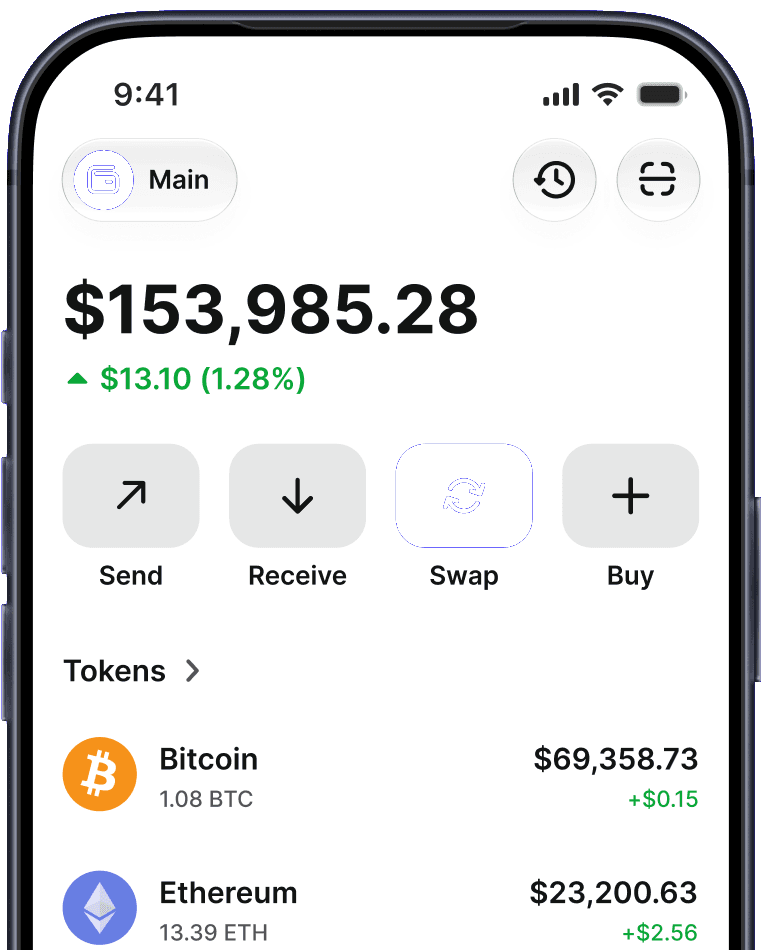
When you send crypto with Trust Wallet, your transaction enters the network's mempool and shows as pending until it's confirmed in a block. Trust Wallet helps you set an appropriate network fee so your transaction confirms reliably, and you can track its status via the transaction hash on a block explorer — all while keeping full control of your funds as a non-custodial wallet.