


What Is Liquidity?
Liquidity is how easily an asset can be bought or sold without moving its price. In a liquid market, there are plenty of buyers and sellers at every moment, so even a large trade fills quickly at close to the quoted price. In an illiquid market, a modest order can move the price sharply — and exiting a position may cost far more than expected.
Liquidity is why two tokens with the same price chart can be completely different investments: one you can leave whenever you choose, the other only when someone happens to show up on the other side.
Where Liquidity Comes From
Order books: market makers and traders keep standing buy and sell orders near the current price on exchanges.
Liquidity pools: on decentralized exchanges, users deposit token pairs into automated market maker (AMM) pools that quote prices algorithmically.
Depth matters, not just volume: what counts is how much can actually trade near the current price before it moves.
Why Liquidity Matters to You
Trading cost: low liquidity means wide spreads and slippage — you pay more to buy and receive less to sell.
Exit risk: in a panic, liquidity evaporates first; positions that were easy to enter become expensive to leave.
Manipulation: thin markets are where pump and dumps and price manipulation thrive, because small money moves the price.
Honest signals: deep, stable liquidity generally reflects genuine, sustained interest in an asset.
Liquidity and Trust Wallet
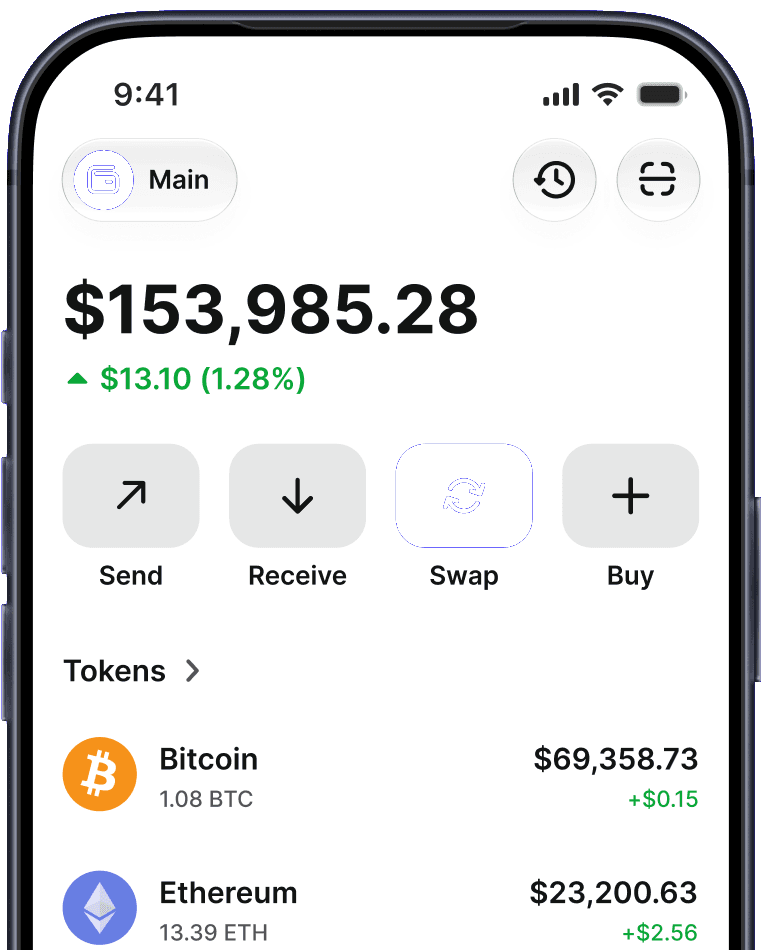
When you use Trust Wallet's built-in swap, the quote you review before signing already reflects the liquidity behind the trade — deep markets quote tight, thin markets don't. Checking a token's liquidity before you buy is one of the simplest risk checks in crypto.