


What Is Volatility?
Volatility measures how much, and how fast, an asset's price moves over time. A low-volatility asset drifts; a high-volatility asset swings — in both directions. Crypto is famous for high volatility: the same property that produces life-changing rallies also produces brutal drawdowns, often in the same year.
Volatility is not the same as risk of loss — it's uncertainty of path. But for anyone who may need to sell at a bad moment, the two feel identical.
Why Crypto Is So Volatile
Young markets, evolving valuations: with no settled model for what a token is worth, prices are driven by narrative and flows.
Always-on global trading: crypto never closes, so news is priced in immediately, around the clock.
Reflexive sentiment: rising prices attract buyers, which raises prices — and the loop runs equally hard in reverse.
Thin liquidity in smaller tokens: less depth means bigger moves from the same size of trade.
Living With Volatility
Size positions so swings are survivable — the right amount of a volatile asset is one whose worst day doesn't force you to sell.
Separate timelines: long-term holdings shouldn't share a bucket with short-term trades.
Stablecoins are the pressure valve: moving into a dollar-pegged token reduces exposure without leaving crypto.
Expect it: volatility in crypto is the norm, not a malfunction.
Volatility and Trust Wallet
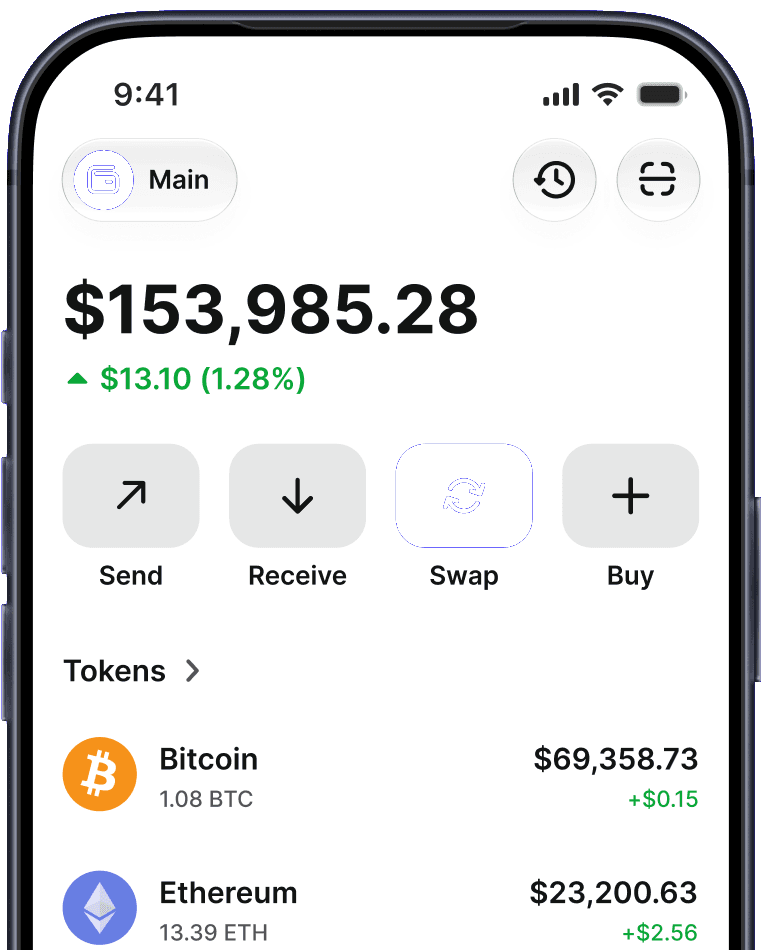
Trust Wallet lets you hold volatile assets and stablecoins side by side, with built-in swaps to shift between them whenever you decide — in self-custody, with no account required. The wallet keeps your assets secure through every swing; how much swing to accept is the decision only you can make.