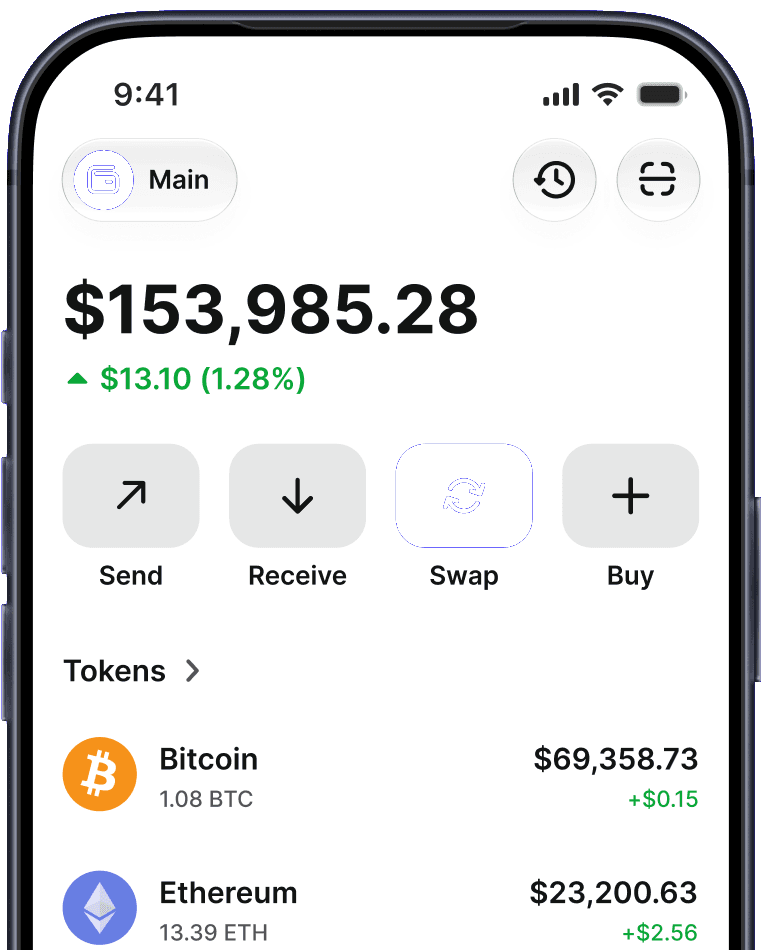



Paper trading is a way to practice trading with simulated money instead of real funds. You place hypothetical trades using a demo account or trading simulator to learn how markets work, test strategies, and practice using trading tools without putting real capital at risk.
Paper trading can be useful for beginners, but simulated results may differ from real trading. Real-money trading introduces factors such as emotions, fees, slippage, and execution differences that a simulation may not fully reproduce.
How Does Paper Trading Work?
A paper-trading platform typically provides a virtual balance while using real or simulated market prices. You can practice opening and closing positions, track hypothetical profits and losses, and test different trading strategies.
Because the trades use virtual funds, a losing paper trade does not result in a real financial loss. However, the experience may differ from live trading depending on how the simulator handles prices, liquidity, fees, and order execution.
What Are the Benefits and Limits of Paper Trading?
Benefits
Risk-free practice: Learn basic trading mechanics without risking real trading capital.
Strategy testing: Explore how a strategy might have performed under simulated conditions.
Tool familiarity: Practice using charts, order types, and other trading features.
Market experience: Develop familiarity with how prices and positions can change over time.
Limitations
Emotions: Simulated losses may not create the same emotional response as losing real money.
Execution: Simulators may not fully reproduce slippage, liquidity constraints, or order execution.
Trading costs: Fees and other costs may be simplified or excluded.
Overconfidence: Successful paper trading does not guarantee similar results with real money.
Paper trading is best treated as a learning and practice tool, not proof that a strategy will be profitable in live markets.
Disclaimer: Content is for informational purposes and not investment, financial, or tax advice. Web3 and crypto come with risk. Please do your own research with respect to interacting with any Web3 applications or crypto assets. View our terms of service.