

Trust Walletで
ZetaChainを獲得
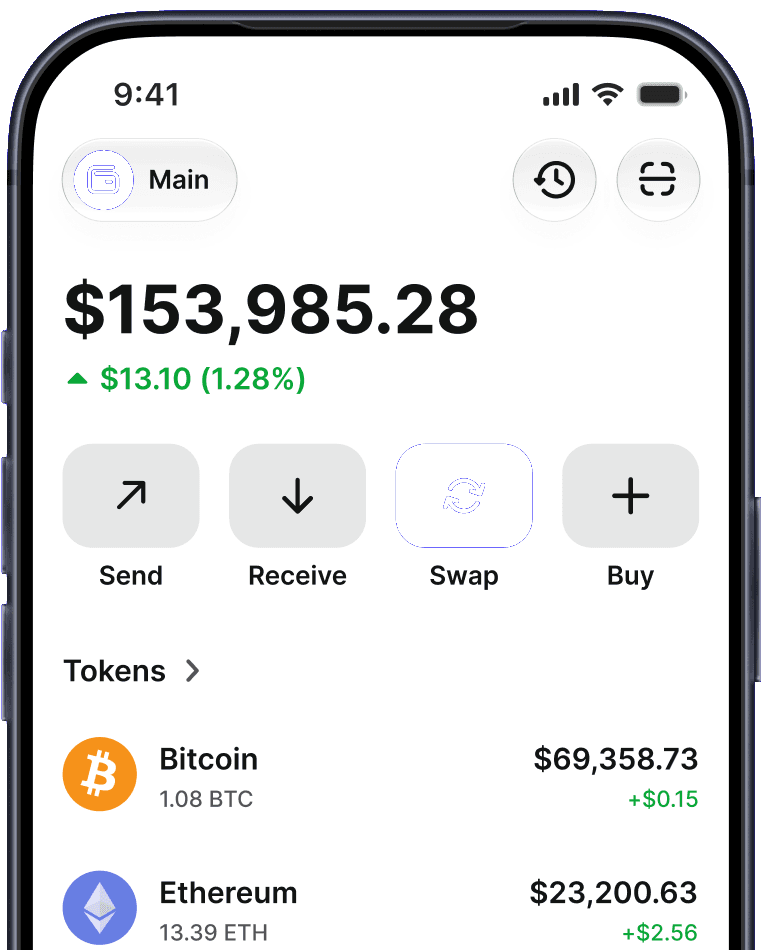
ZetaChain (ZETA)のステーキングとは、ネットワークのセキュリティ確保に貢献するために暗号資産をロックし、その対価として報酬を獲得することを指します。Trust Walletでは、セルフカストディを完全に維持した状態で、数回のタップによりZetaChain (ZETA)をステーキングできます。秘密鍵、暗号資産、リワードは、ユーザー以外の手にはわたりません。

ウォレットを使ってZetaChainを獲得する方法
1. 運用を選択します。
2. ZetaChain (ZETA)を選択し、「今すぐステーキングする」を選択します。
3. ステーキング数量を選択します。
4. バリデーター(ステーキングプロバイダー)を指定し、確認します。
はじめる25+以上のウォレット内蔵ステーキング*
 EthereumAPR 2.55%
 SolanaAPR 8.91%
 TronAPR 4.39%
 PolkadotAPR 14.67%
 BNB Smart ChainAPR 0.96%
 CosmosAPR 14.73%
 NativeInjectiveAPR 8.53%
 NEARAPR 8.10%
 SuiAPR 1.47%
 OsmosisAPR 1.94%
 TerraAPR 15.00%
 NativeZetaChainAPR 8.99%
 CardanoAPR 4.69%
 NativeEvmosAPR 0.00%
 StargazeAPR 0.00%
 CryptoOrgAPR 3.99%
 KavaAPR 7.48%
 KusamaAPR 15.46%
 StrideAPR 1.17%
 TezosAPR 2.20%
 JunoAPR 26.00%
 AkashAPR 3.78%
 AgoricAPR 7.05%
 AxelarAPR 12.99%
 SeiAPR 3.82%


ブロックチェーンへの貢献

ネットワークセキュリティと分散化に参加。
DeFiについて学ぶ

より多くのチェーンを探索し、DeFiでの収益を実現。
Explore ZetaChain (ZETA)
Track the live ZetaChain price, convert ZETA to USD and other currencies, and buy ZetaChain — all in self-custody inside Trust Wallet. Your keys, your crypto, across iOS, Android, and the browser extension.
Trust Walletは、最高水準の評価を得ているセルフカストディ型暗号資産ウォレットです。
App Storeで4.7、Google Playで4.6の評価を獲得し、2.7M件の認証済みレビューが投稿され、iOSおよびAndroidの数百万人規模のユーザーから信頼を集めています。


よくある質問
- ステーキングとは、暗号資産をロックすることでブロックチェーンネットワークの維持とセキュリティ確保に参加することを意味します。ネットワークの分散化と攻撃に対する堅牢性の維持に貢献することになります。その見返りとして、暗号資産で報酬を獲得できます。単にポートフォリオを成長させるだけでなく、ネットワークの健全性の維持にも積極的に寄与することになります。
- ステーキングでのバリデーターとは、トランザクションの検証、新しいブロックの作成、ブロックチェーンの維持を目的に参加するノードのことです。バリデーターはネットワークの整合性の確保に貢献し、その労力に対しステーキング報酬を受け取ります。
- ステーキングとは、暗号資産をオンチェーンにロックしてブロックチェーンネットワークの安全確保と運営の支援に参加し、その見返りとして報酬を獲得することです。レンディングとは、オンチェーンまたはオフチェーン上で暗号資産を貸し出し、その見返りとして利息を獲得する行為です。イールドファーミングは、より複雑なオンチェーン上の操作であり、分散型金融プロトコルに暗号資産を預けることで流動性を提供し、利回りを得るものです。Trust Walletを使用すると、ウォレットから離れることなくステーキングすることができます。また、貸し出し、借り入れ、イールドファーミングプロトコルなどの収益機会が詰まったWeb3 dAppに接続することもできます。
- Trust Walletを使用している間は、Trust Wallet内蔵の運用ウォレットを使用するかWeb3 dApps経由で利用するかを問わず、分散型プロトコルと直接やり取りすることになります。潜在的なリスクとしては、スマートコントラクトの脆弱性、市場のボラティリティ、その他の要因があります。Trust Walletはこれらのサービスへのインターフェースであり、その基盤となるプロトコルを管理するものではありません。どのプロトコルでステーキングをする場合でも、事前にご自身で調査することが重要です。
- ZetaChain staking through Trust Wallet is non-custodial — your ZETA stays in your wallet at all times. Trust Wallet never holds your private keys or your staked balance. The main risks are validator slashing (if you delegate to a misbehaving validator), smart-contract bugs (where applicable for liquid-staking protocols), and ZETA market price volatility during the staking period. Choose validators with high uptime, reasonable commission rates, and a clean operational track record to minimize slashing risk.
- Your principal ZETA cannot be confiscated by Trust Wallet — you retain full self-custody. However, partial losses can occur in two specific scenarios: (1) slashing, where the network protocol penalizes validators for misbehavior (downtime or double-signing) and reduces a portion of all delegated stake; (2) market price drops — if ZETA falls in price during the staking or unstaking period, the fiat value of your holdings declines even though your token quantity stays the same. Slashing on most major networks is rare and capped at small percentages for routine offenses.
- Yes. Trust Wallet is fully non-custodial — your private keys never leave your device and your staked ZETA remains attributable to your wallet address on-chain at all times. Trust Wallet acts as the interface for delegating to validators; it does not hold, transfer, or have any authority over your funds. You can verify your delegation balance directly on a public blockchain explorer using your wallet address.
- Unstaking periods are set by each blockchain's protocol, not by Trust Wallet. Common ranges across major networks: Ethereum (validator-exit queue + withdrawal, typically days to weeks depending on network conditions), Solana (cooldown ~1–2 epochs, roughly 2–4 days), Cosmos / ATOM (21 days), Polkadot / DOT (28 days), Tron / TRX (14 days). During the unstaking period your ZETA is locked and stops earning rewards. Plan ahead if you may need liquidity before the lockup ends.
- If a validator commits a slashable offense — extended downtime, or signing two conflicting blocks — a percentage of all delegated stake (including yours) can be burned by the network protocol. Slashing severity varies by network: typically 0.5–1% for downtime, and up to 5–100% for severe double-signing offenses. To minimize this risk, delegate to established validators with high uptime (>99%), reasonable commission rates, and a clean track record. You can switch validators at any time, but the unstaking period applies before you can re-delegate the affected stake.