

使用 Trust Wallet
赚取 ZetaChain
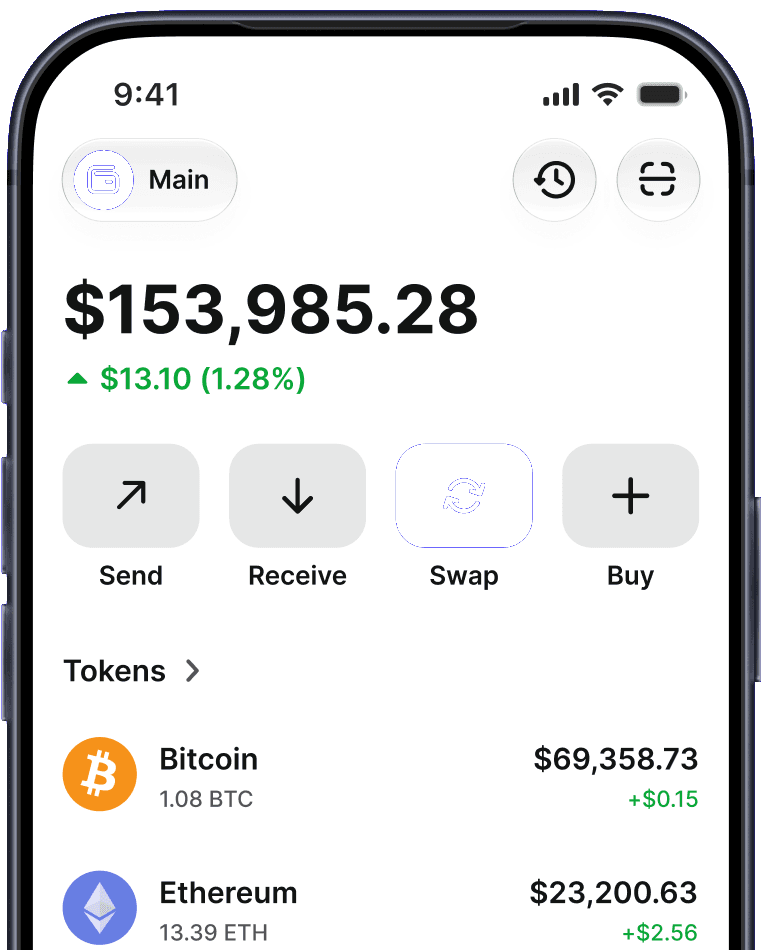
质押 ZetaChain (ZETA) 是指锁定币,以保障网络安全,并获得奖励作为回报。通过 Trust Wallet,只需轻点几下即可质押 ZetaChain (ZETA),同时保持完全自托管,自行掌控密钥、币和奖励。

如何使用 Trust Wallet 赚取 ZetaChain
1. 选择“理财”选项。
2. 依次选择“ZetaChain (ZETA)、质押”。
3. 选择要质押的数量。
4. 选择验证者(质押提供商)并确认。
立即开始25 + 钱包内质押选项*
 EthereumAPR 2.55%
 SolanaAPR 8.91%
 TronAPR 4.39%
 PolkadotAPR 14.67%
 BNB Smart ChainAPR 0.96%
 CosmosAPR 14.73%
 NativeInjectiveAPR 8.53%
 NEARAPR 8.10%
 SuiAPR 1.47%
 OsmosisAPR 1.94%
 TerraAPR 15.00%
 NativeZetaChainAPR 8.99%
 CardanoAPR 4.69%
 NativeEvmosAPR 0.00%
 StargazeAPR 0.00%
 CryptoOrgAPR 3.99%
 KavaAPR 7.48%
 KusamaAPR 15.46%
 StrideAPR 1.17%
 TezosAPR 2.20%
 JunoAPR 26.00%
 AkashAPR 3.78%
 AgoricAPR 7.05%
 AxelarAPR 12.99%
 SeiAPR 3.82%


为区块链作出贡献

参与网络安全和去中心化。
了解 DeFi

探索更多区块链网络,拓展您在 DeFi 领域的收益之旅。
Explore ZetaChain (ZETA)
Track the live ZetaChain price, convert ZETA to USD and other currencies, and buy ZetaChain — all in self-custody inside Trust Wallet. Your keys, your crypto, across iOS, Android, and the browser extension.
Trust Wallet 是评分最高的自托管加密货币钱包之一。
App Store 评分4.7,Google Play 评分4.6,共获得2.7M条已验证 – 深受数百万 iOS 及 Android 用户的信赖。


常见问题
- 质押是指锁定您的加密货币,以参与维护和保护区块链网络。通过这一机制,您可以帮助网络保持去中心化,并增强其抵御攻击的能力。作为回报,您将获得额外代币等奖励。这不仅是增值投资组合的一种方式,更是您积极为网络健康做出贡献的体现。
- 在质押机制中,验证节点是参与维护区块链的节点,负责验证交易与生成新区块,保障网络安全与完整性,并因此获得质押奖励。
- 质押是指将您的加密货币在链上锁定,以帮助区块链网络的安全与运行,并因此获得参与奖励。借贷是指将您的加密货币借出(无论是链上还是链下)以赚取利息。流动性挖矿是一种更为复杂的链上活动,您通过向去中心化金融协议提供流动性来获取潜在收益。使用 Trust Wallet,您无需离开钱包即可完成质押。您还可以连接任何提供赚币机会的 Web3 去中心化应用,例如借贷及流动性挖矿协议。
- 在使用 Trust Wallet 时,无论您选择使用钱包内的赚币功能还是通过 Web3 去中心化应用获取收益机会,您都在直接与去中心化协议进行交互。相关风险可能包括智能合约漏洞、市场波动或其他因素。Trust Wallet 是这些服务的接口,并不控制底层协议。在任何协议上质押之前,请务必自行做好研究。
- ZetaChain staking through Trust Wallet is non-custodial — your ZETA stays in your wallet at all times. Trust Wallet never holds your private keys or your staked balance. The main risks are validator slashing (if you delegate to a misbehaving validator), smart-contract bugs (where applicable for liquid-staking protocols), and ZETA market price volatility during the staking period. Choose validators with high uptime, reasonable commission rates, and a clean operational track record to minimize slashing risk.
- Your principal ZETA cannot be confiscated by Trust Wallet — you retain full self-custody. However, partial losses can occur in two specific scenarios: (1) slashing, where the network protocol penalizes validators for misbehavior (downtime or double-signing) and reduces a portion of all delegated stake; (2) market price drops — if ZETA falls in price during the staking or unstaking period, the fiat value of your holdings declines even though your token quantity stays the same. Slashing on most major networks is rare and capped at small percentages for routine offenses.
- Yes. Trust Wallet is fully non-custodial — your private keys never leave your device and your staked ZETA remains attributable to your wallet address on-chain at all times. Trust Wallet acts as the interface for delegating to validators; it does not hold, transfer, or have any authority over your funds. You can verify your delegation balance directly on a public blockchain explorer using your wallet address.
- Unstaking periods are set by each blockchain's protocol, not by Trust Wallet. Common ranges across major networks: Ethereum (validator-exit queue + withdrawal, typically days to weeks depending on network conditions), Solana (cooldown ~1–2 epochs, roughly 2–4 days), Cosmos / ATOM (21 days), Polkadot / DOT (28 days), Tron / TRX (14 days). During the unstaking period your ZETA is locked and stops earning rewards. Plan ahead if you may need liquidity before the lockup ends.
- If a validator commits a slashable offense — extended downtime, or signing two conflicting blocks — a percentage of all delegated stake (including yours) can be burned by the network protocol. Slashing severity varies by network: typically 0.5–1% for downtime, and up to 5–100% for severe double-signing offenses. To minimize this risk, delegate to established validators with high uptime (>99%), reasonable commission rates, and a clean track record. You can switch validators at any time, but the unstaking period applies before you can re-delegate the affected stake.