

Trust Wallet을 사용하여
ZetaChain 수익 창출
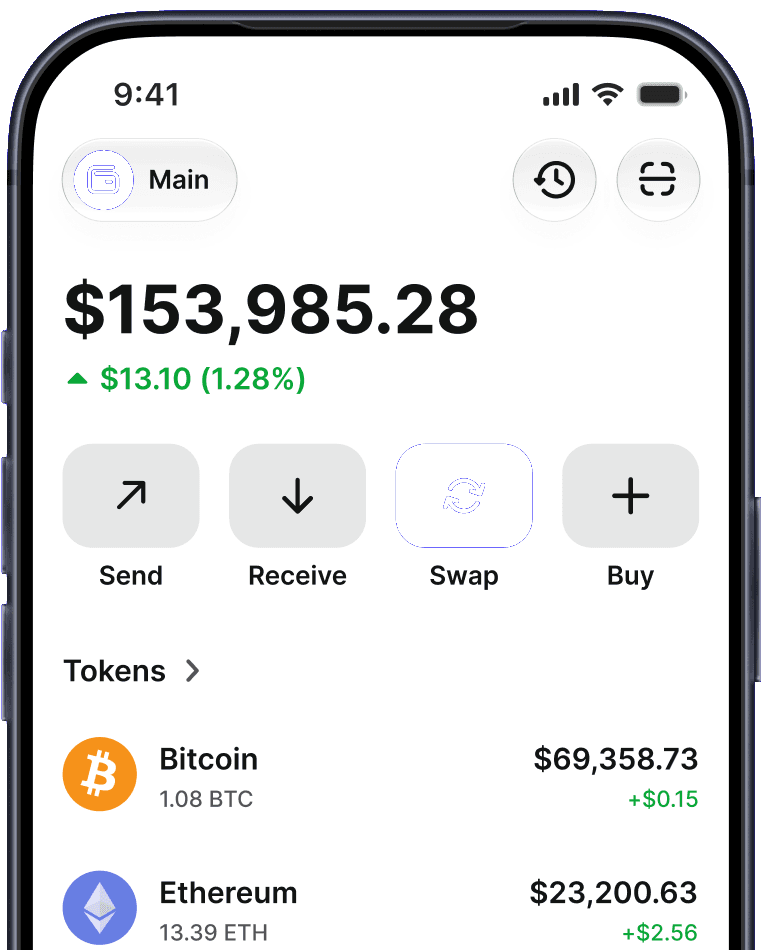
ZetaChain (ZETA) 스테이킹은 네트워크 보안에 기여하기 위해 코인을 락업하고 그 대가로 보상을 받는 것을 의미합니다. 트러스트 월렛에서는 몇 번의 클릭만으로 ZetaChain (ZETA) 스테이킹을 완료할 수 있으며 개인 키와 코인, 보상을 모두 직접 관리하는 완전한 셀프 커스터디를 유지할 수 있습니다.

Trust Wallet을 사용하여 ZetaChain 얻는 방법
1. 수익 창출 옵션을 선택하세요.
2. ZetaChain (ZETA) 선택 후 "스테이킹"을 선택하세요.
3. 스테이킹하고자 하는 금액을 입력하세요.
4. 검증인(스테이킹 제공자)을 선택하고 확인하세요.
시작하기25+ 지갑 내 스테이킹 옵션*
 EthereumAPR 2.55%
 SolanaAPR 8.91%
 TronAPR 4.39%
 PolkadotAPR 14.67%
 BNB Smart ChainAPR 0.96%
 CosmosAPR 14.73%
 NativeInjectiveAPR 8.53%
 NEARAPR 8.10%
 SuiAPR 1.47%
 OsmosisAPR 1.94%
 TerraAPR 15.00%
 NativeZetaChainAPR 8.99%
 CardanoAPR 4.69%
 NativeEvmosAPR 0.00%
 StargazeAPR 0.00%
 CryptoOrgAPR 3.99%
 KavaAPR 7.48%
 KusamaAPR 15.46%
 StrideAPR 1.17%
 TezosAPR 2.20%
 JunoAPR 26.00%
 AkashAPR 3.78%
 AgoricAPR 7.05%
 AxelarAPR 12.99%
 SeiAPR 3.82%


블록체인에 기여

네트워크 보안과 탈중앙화에 참여하세요.
디파이에 대해 알아보기

더 많은 체인을 탐색하고 디파이 세계에서 수익을 창출해보세요.
Explore ZetaChain (ZETA)
Track the live ZetaChain price, convert ZETA to USD and other currencies, and buy ZetaChain — all in self-custody inside Trust Wallet. Your keys, your crypto, across iOS, Android, and the browser extension.
Trust Wallet은 최고 평점을 받은 자체 보관형 가상자산 지갑 중 하나입니다.
App Store에서 4.7, Google Play에서 4.6의 평점을 받았으며, 검증된 리뷰 2.7M개를 바탕으로 iOS 및 Android에서 수백만 사용자의 신뢰를 받고 있습니다.


자주 묻는 질문
- 스테이킹에는 블록체인 네트워크 유지 및 보안에 참여하기 위해 가상자산을 잠그는 것이 포함됩니다. 이렇게 하면 네트워크를 탈중앙화하고 공격에 대비하여 견고하게 유지할 수 있습니다. 그 대가로 추가 코인과 같은 보상을 얻을 수 있습니다. 이는 단순히 포트폴리오를 성장시키는 방법이 아니라 네트워크 건전성에도 적극적으로 기여하는 것입니다.
- 스테이킹에서 검증인은 트랜잭션을 검증하고 새로운 블록을 생성하여 블록체인 유지에 참여하는 노드입니다. 이들은 네트워크의 무결성을 보장하고 작업에 대해 스테이킹 보상을 받습니다.
- 스테이킹에는 블록체인 네트워크를 보호하고 운영하기 위해 가상자산을 온체인에 잠그고 참여에 대한 보상을 받는 것이 포함됩니다. 렌딩은 이자를 얻기 위해 온체인 또는 오프체인에서 가상자산을 빌려주는 행위입니다. 일드 파밍은 잠재적으로 수익을 얻기 위해 탈중앙 금융 프로토콜에 유동성을 제공하는 보다 복잡한 온체인 활동입니다. 트러스트 월렛을 사용하면 지갑 내에서 스테이킹할 수 있습니다. 또한 렌딩, 대출 및 일드 파밍 프로토콜과 같은 수익 창출 기회를 제공하는 모든 웹3 디앱을 연결할 수도 있습니다.
- 트러스트 월렛을 사용하면 지갑 내 수익 창출 옵션을 사용하거나 웹3 디앱을 통해 기회를 포착할 때 탈중앙 프로토콜과 직접 상호 작용하게 됩니다. 관련 위험에는 스마트 컨트랙트 취약성, 시장 변동성 또는 기타 요인이 포함될 수 있습니다. 트러스트 월렛은 이러한 서비스에 대한 인터페이스이며 기본 프로토콜을 제어하지 않습니다. 프로토콜을 사용하기 전에 자체 조사를 진행하는 것이 중요합니다.
- ZetaChain staking through Trust Wallet is non-custodial — your ZETA stays in your wallet at all times. Trust Wallet never holds your private keys or your staked balance. The main risks are validator slashing (if you delegate to a misbehaving validator), smart-contract bugs (where applicable for liquid-staking protocols), and ZETA market price volatility during the staking period. Choose validators with high uptime, reasonable commission rates, and a clean operational track record to minimize slashing risk.
- Your principal ZETA cannot be confiscated by Trust Wallet — you retain full self-custody. However, partial losses can occur in two specific scenarios: (1) slashing, where the network protocol penalizes validators for misbehavior (downtime or double-signing) and reduces a portion of all delegated stake; (2) market price drops — if ZETA falls in price during the staking or unstaking period, the fiat value of your holdings declines even though your token quantity stays the same. Slashing on most major networks is rare and capped at small percentages for routine offenses.
- Yes. Trust Wallet is fully non-custodial — your private keys never leave your device and your staked ZETA remains attributable to your wallet address on-chain at all times. Trust Wallet acts as the interface for delegating to validators; it does not hold, transfer, or have any authority over your funds. You can verify your delegation balance directly on a public blockchain explorer using your wallet address.
- Unstaking periods are set by each blockchain's protocol, not by Trust Wallet. Common ranges across major networks: Ethereum (validator-exit queue + withdrawal, typically days to weeks depending on network conditions), Solana (cooldown ~1–2 epochs, roughly 2–4 days), Cosmos / ATOM (21 days), Polkadot / DOT (28 days), Tron / TRX (14 days). During the unstaking period your ZETA is locked and stops earning rewards. Plan ahead if you may need liquidity before the lockup ends.
- If a validator commits a slashable offense — extended downtime, or signing two conflicting blocks — a percentage of all delegated stake (including yours) can be burned by the network protocol. Slashing severity varies by network: typically 0.5–1% for downtime, and up to 5–100% for severe double-signing offenses. To minimize this risk, delegate to established validators with high uptime (>99%), reasonable commission rates, and a clean track record. You can switch validators at any time, but the unstaking period applies before you can re-delegate the affected stake.